Wondering how to properly care for your large breed dog? The answer is: large dogs need specialized care at every life stage! From puppyhood to senior years, giant breeds like German Shepherds and Labradors have unique nutritional needs, exercise requirements, and health considerations that differ from smaller dogs. I've been working with large breeds for over a decade, and let me tell you - that adorable Great Dane puppy will grow into a 150-pound adult faster than you think! This guide will walk you through exactly what your big dog needs at each phase of life, including the right food formulas, exercise routines, and vet care to keep them healthy. Whether you're raising a large-breed puppy or caring for a senior giant, you'll discover practical tips to help your furry friend thrive through all life stages.
E.g. :Why Do Dogs Shed? 7 Common Causes & When to Worry
- 1、Understanding Large Dog Breeds
- 2、Puppy Care (0-18 Months)
- 3、Adult Care (18 Months - 7 Years)
- 4、Senior Care (7+ Years)
- 5、Special Considerations
- 6、Making Tough Decisions
- 7、The Emotional Connection with Large Breeds
- 8、Living Space Considerations
- 9、Traveling with Your Gentle Giant
- 10、Cost Considerations
- 11、Breed-Specific Quirks
- 12、FAQs
Understanding Large Dog Breeds
What Makes a Dog "Large Breed"?
Ever wondered why your German Shepherd seems to eat more than your neighbor's Chihuahua? Size matters when it comes to canine care! Most vets consider dogs weighing 50-100 pounds as large breeds. Some also use height - typically 24 inches at the shoulder.
Here's a fun fact: Did you know that large breed puppies grow twice as fast as smaller breeds in their first year? This rapid growth means they have special nutritional needs we'll cover later. Some popular large breeds include:
| Breed | Average Weight | Fun Fact |
|---|---|---|
| Golden Retriever | 55-75 lbs | Loves carrying objects in their mouth |
| Labrador | 55-80 lbs | Most popular US breed for 30+ years |
| German Shepherd | 50-90 lbs | Has 225 million scent receptors |
Common Health Challenges
Why do big dogs often have more health issues? Their size puts extra stress on joints and organs. Common problems include:
Joint issues like hip dysplasia affect about 20% of large breeds. You might notice your pup limping or having trouble standing up. Other concerns include:
- Heart conditions
- Thyroid problems
- Certain cancers
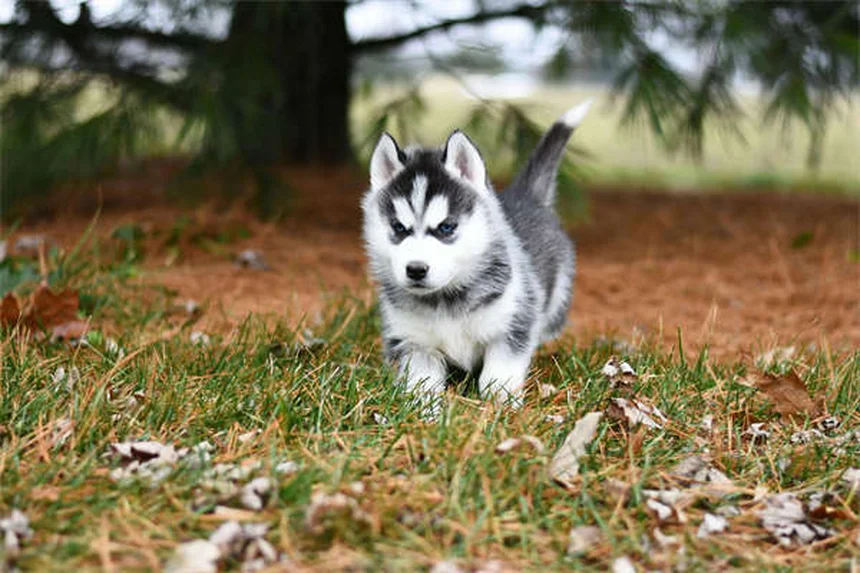
Puppy Care (0-18 Months)
 Photos provided by pixabay
Feeding Your Growing Giant
Imagine trying to feed a future NFL linebacker - that's what raising a large breed puppy feels like! Their food needs special balance:
Key nutrients: 30% protein, 9% fat, and careful calcium levels. Too much calcium can actually harm their developing bones. Look for food with the AAFCO seal stating it's for "large-size dog growth."
Here's my golden rule: Divide their daily food into 3 meals to prevent bloating (a serious risk for big pups). And those puppy eyes begging for treats? Limit treats to 10% of their daily calories.
Vet Visits and Vaccines
Your puppy will practically live at the vet those first few months! Expect visits every 3-4 weeks until 16 weeks old. Core vaccines include:
- Rabies (required by law)
- DHPP combo vaccine
- Optional vaccines based on lifestyle
Did you know some vets recommend waiting until 2 years to neuter large breed males? Recent studies show this may reduce joint problems later. Always discuss timing with your vet.
Training and Socialization
Picture this: A poorly trained 100-pound dog vs. a well-behaved one. Which would you rather live with? Start training early!
The magic window for socialization is 2-12 weeks. Introduce your pup to:
- Different people
- Other vaccinated dogs
- Various environments
Pro tip: Use positive reinforcement only. Yelling at a scared puppy can create lifelong fears. And trust me, you don't want a fearful 80-pound dog!
Adult Care (18 Months - 7 Years)
 Photos provided by pixabay
Feeding Your Growing Giant
Ever seen an overweight Labrador? It's more common than you think! Keeping your adult dog at a healthy weight prevents:
- Early arthritis
- Heart disease
- Breathing problems
Switch to adult food around 12-18 months. Look for the AAFCO statement about "maintenance of large-size dogs." And remember - those pleading eyes don't mean they're starving!
Exercise Needs
How much exercise does your big dog really need? Most large breeds thrive on:
- 60+ minutes daily activity
- Mental stimulation (puzzle toys work great)
- Social interaction
But be careful with young adults - their joints are still developing. Avoid excessive jumping or running on hard surfaces until about 2 years old.
Senior Care (7+ Years)
Spotting Age-Related Changes
Is your dog slowing down or is something wrong? Common senior signs include:
- Difficulty standing up
- Less interest in play
- Increased sleeping
Switch to senior food around age 7. These formulas often contain joint-supporting supplements. And don't forget - senior dogs still need exercise! Just shorter, more frequent walks.
 Photos provided by pixabay
Feeding Your Growing Giant
Ever seen a senior dog struggle with stairs? There are many ways to help:
- Orthopedic beds
- Ramps for cars/furniture
- Joint supplements
Ask your vet about pain management options if needed. With proper care, many large breeds stay active well into their golden years!
Special Considerations
Dental Health Through the Years
Did you know dental disease affects 80% of dogs by age 3? Large breeds are no exception. Establish a dental care routine early:
- Brush teeth regularly
- Use dental chews
- Schedule professional cleanings
Bad breath isn't normal - it's often the first sign of dental trouble. Your vet can recommend the best dental products for your big buddy.
Parasite Prevention
Why risk it? Heartworm prevention should start by 8 weeks old and continue for life. Flea/tick prevention is equally important - these pests carry diseases that can make your dog very sick.
Remember: Prevention is always easier (and cheaper) than treatment. Your vet can recommend the best products for your dog's size and lifestyle.
Making Tough Decisions
Quality of Life Considerations
How do you know when it's time to say goodbye? This is never easy, but quality of life scales can help. Consider:
- Pain levels
- Ability to enjoy favorite activities
- Basic bodily functions
Your vet can guide you through this difficult process. The most loving thing we can sometimes do is prevent suffering.
Creating Lasting Memories
Whether you have years or months left, make them count! Some ideas:
- Special outings
- Favorite treats
- Photo sessions
Large dogs leave large paw prints on our hearts. Cherish every moment with your gentle giant.
The Emotional Connection with Large Breeds
Why Big Dogs Make Big Impressions
Ever noticed how people react when they see a Great Dane at the park? Large dogs command attention in ways small breeds simply can't. Their size alone creates an instant presence that affects everyone around them.
I've found that many large breed owners develop a special bond with their dogs. Maybe it's because caring for a 100-pound animal requires more teamwork. You're not just walking your dog - you're partnering with a powerful creature who could easily pull you down the street if they wanted to!
Therapy and Service Work Potential
Did you know large breeds dominate the service dog world? Their size allows them to perform tasks small dogs physically can't, like:
- Providing stability for people with mobility issues
- Retrieving items from high shelves
- Creating physical barriers in crowded spaces
Their calm demeanor (when properly trained) makes them excellent therapy animals too. Hospitals and nursing homes often prefer larger breeds because patients can pet them without bending over. My friend's Golden Retriever visits children's hospitals - the kids absolutely light up when they see him coming!
Living Space Considerations
Apartment Living with a Giant
Think you need a mansion for a Saint Bernard? Think again! Many large breeds adapt surprisingly well to apartment living if you meet their needs:
| Breed | Apartment Suitability | Key Consideration |
|---|---|---|
| Greyhound | Excellent | Low energy indoors |
| Great Dane | Good | Needs space to stretch |
| Bernese Mountain Dog | Fair | Heat sensitivity |
The real challenge isn't space - it's making sure they get enough exercise. A tired dog is a happy dog, whether you live in a studio or a castle!
Yard Requirements and Safety
Why do some large breeds escape small yards? Their powerful legs can clear fences you'd think were tall enough. Here's what I've learned about secure outdoor spaces:
Fence height matters: Most large breeds need at least 6-foot fencing. Some athletic breeds like Huskies may require even taller barriers or covered runs. And don't forget to check for digging spots - many big dogs are expert escape artists!
Shade and water access become critical with large breeds. Their size makes them more susceptible to heat exhaustion. I always recommend multiple water stations and cooling mats during summer months.
Traveling with Your Gentle Giant
Car Safety for Big Dogs
Ever tried fitting a Newfoundland into a compact car? It's... interesting. Vehicle choice becomes crucial when you've got a large breed:
- SUV or minivan often works best
- Crash-tested harnesses or barriers are essential
- Consider ramps for older dogs
Here's a pro tip: Teach your dog to load/unload calmly before they reach full size. A 20-pound puppy jumping into your car is cute - a 120-pound adult doing it could damage your doors!
Hotel and Vacation Challenges
Finding pet-friendly accommodations gets trickier with big dogs. Many hotels have weight limits around 50 pounds. But don't despair - options exist if you know where to look:
Vacation rentals often work better than hotels for large breeds. I've had great success with cabins and beach houses that welcome big dogs. Always confirm size policies before booking, and bring familiar bedding to help your dog settle in.
Some airlines accommodate large breeds in cargo - but research carefully. The stress and temperature risks make this option unsuitable for many dogs. Road trips might be your best bet for stress-free travel.
Cost Considerations
The Price Tag of Size
Why does everything cost more for large breeds? From food to medications, size directly impacts your budget. Let's break down some typical expenses:
Food: A 50-pound bag lasts my neighbor's Chihuahua months. My Labrador goes through that in weeks! Expect to spend $60-$100 monthly on quality large breed food. And those "large" chew toys? They're not just for fun - they're necessary to prevent destructive chewing from boredom.
Vet bills scale with size too. Medications, anesthesia, even flea treatments cost more when your dog weighs triple digits. I always recommend pet insurance for large breeds - one emergency visit could cost thousands.
Grooming and Maintenance
Think giving a Great Pyrenees a bath is like washing a small dog? Oh, sweet summer child... Here's what you're really signing up for:
- Professional grooming sessions can cost $100+
- Brushing becomes a daily ritual for long-haired breeds
- Nail trims require special equipment for thick claws
But here's the good news: Many large breeds have lower grooming needs than you'd expect. Short-haired breeds like Boxers or Weimaraners require minimal maintenance beyond basic care.
Breed-Specific Quirks
Understanding Breed Tendencies
Ever wonder why your Mastiff leans on everyone? Many large breeds have unique behaviors rooted in their working histories:
Livestock guardians like Great Pyrenees may bark more at night - it's in their DNA to alert the flock. Retrievers carry everything in their mouths because we bred them to fetch game. Understanding these instincts helps you work with your dog's nature rather than against it.
My favorite example? Newfoundland dogs often "rescue" people in pools - even when no one needs saving! It's adorable but can be problematic if you just want to swim laps.
The Drool Factor
Why do some large breeds slobber so much? Breeds like Saint Bernards and Bloodhounds have loose jowls designed to help track scents. The trade-off? You'll find drool on your ceiling. Yes, ceiling.
If you're considering a drooly breed, keep these tips in mind:
- Invest in good "drool rags" for quick cleanups
- Avoid light-colored furniture unless you love stains
- Teach your dog to wipe their mouth on command
It's all worth it when that big, slobbery face greets you at the door every day. At least that's what I tell myself as I mop my walls!
E.g. :Large Dog Breeds: Complete Health Guide | PetMD
FAQs
Q: What's considered a large breed dog?
A: Most vets classify dogs weighing 50-100 pounds as large breeds, though some use height measurements (up to 24 inches at the shoulder). Popular large breeds include Labrador Retrievers, Golden Retrievers, German Shepherds, and Boxers. These gentle giants grow twice as fast as smaller breeds in their first year, which is why they need special care. I always tell my clients - that tiny Bernese Mountain puppy you brought home will be 100+ pounds before you know it! Large breeds also tend to have shorter lifespans (10-12 years on average) compared to smaller dogs, making proper care at each life stage even more crucial.
Q: What health problems are common in large dogs?
A: As an experienced vet tech, I've seen large breeds face several common health issues. Joint problems like hip dysplasia affect about 20% of large dogs - you might notice limping or difficulty standing. Other concerns include heart conditions, thyroid imbalances, and certain cancers. The good news? Many of these can be managed or prevented with proper care. For example, keeping your dog at a healthy weight reduces joint stress by up to 30%. I recommend starting joint supplements like glucosamine early, especially for breeds prone to orthopedic issues. Regular vet check-ups (every 6 months for adults) help catch problems before they become serious.
Q: How much should I feed my large breed puppy?
A: Feeding a growing giant pup is like fueling a future athlete! Their food needs precise balance: 30% protein, 9% fat, and carefully measured calcium levels. Too much calcium can actually harm developing bones. Look for food with the AAFCO seal stating it's for "large-size dog growth." Here's my professional tip: divide their daily portion into 3 meals to prevent dangerous bloating. And those puppy-dog eyes begging for treats? Limit extras to 10% of daily calories. I've seen too many overweight puppies whose owners didn't realize those "just one more" treats add up fast!
Q: When should large breed dogs be spayed/neutered?
A: This is one of the most common questions I get from large breed owners. Recent studies show waiting until after 2 years for males may reduce joint problems later. For females, spaying after the first heat cycle appears to lower certain cancer risks. But here's the thing - there's no one-size-fits-all answer. Your vet will consider your dog's breed, health history, and lifestyle when recommending timing. I always advise clients to discuss the pros and cons with their veterinarian, as the decision impacts your dog's long-term health. Whatever you decide, proper post-op care is crucial for large breeds during recovery.
Q: How can I help my senior large dog stay comfortable?
A: Watching your gentle giant age is tough, but there are many ways to help! Start with an orthopedic bed to ease achy joints - I recommend ones with memory foam. Ramps help them access favorite spots without jumping. Around age 7, switch to senior-formula food with joint-supporting supplements. For mobility issues, ask your vet about options like laser therapy or Adequan injections. Most importantly, keep up with shorter, more frequent walks - movement actually helps stiff joints! I've seen 12-year-old Great Danes still enjoying gentle play with proper care. Remember, quality of life matters more than quantity - your vet can help assess when it's time to consider humane options.