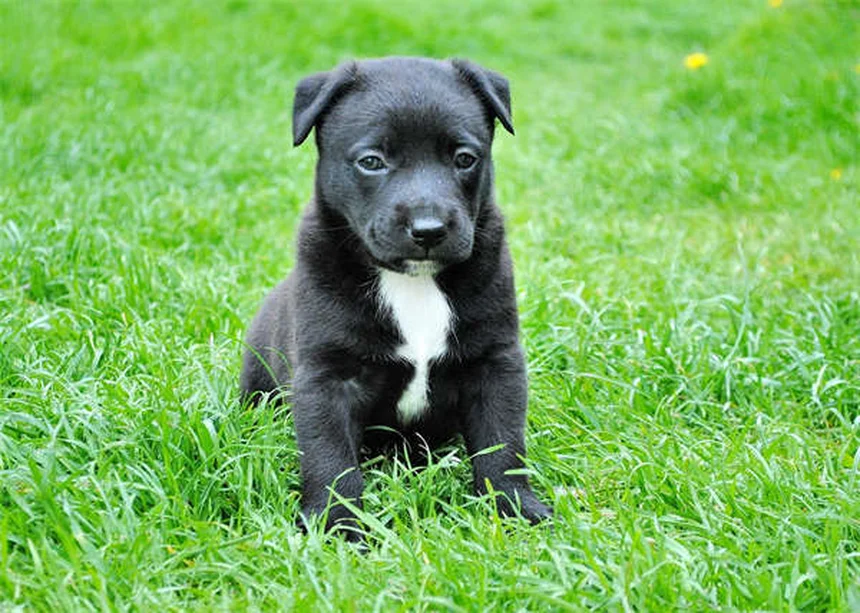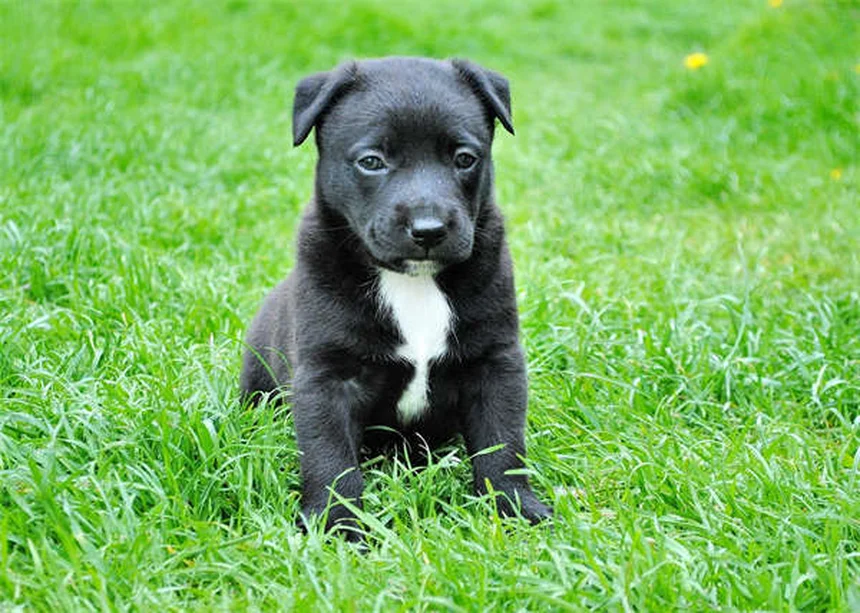
Does your dog scratch constantly during certain seasons? Pollen allergies in dogs are more common than you might think! The answer is: yes, just like humans, dogs can develop seasonal allergies to pollen from trees, grasses, and weeds. When your pup inhales or comes into contact with these tiny particles, their immune system goes into overdrive, causing all sorts of uncomfortable symptoms.I've seen countless dogs in my practice suffering from pollen allergies, and let me tell you - it's no walk in the park for them. The itching can drive them crazy, and as their loving owner, it breaks your heart to see them uncomfortable. But here's the good news: once we identify it's pollen causing the problem, there are plenty of ways to help your furry friend feel better.In this guide, we'll cover everything you need to know about dog pollen allergies - from spotting the early signs to effective treatments that really work. Whether it's spring tree pollen or fall weeds bothering your pup, you'll learn how to recognize the symptoms and what to do about them. Let's get started!
E.g. :How to Pet a Cat Properly: 5 Expert Tips for Happy Felines
- 1、What Exactly Are Pollen Allergies in Dogs?
- 2、Spotting Pollen Allergy Symptoms in Your Dog
- 3、Why Do Some Dogs Get Pollen Allergies?
- 4、How Vets Diagnose Pollen Allergies
- 5、Effective Treatments for Pollen Allergies
- 6、Living With a Dog Who Has Pollen Allergies
- 7、Preventing Pollen Allergy Flare-Ups
- 8、The Surprising Connection Between Dog Allergies and Human Allergies
- 9、Alternative Therapies for Pollen Allergies
- 10、The Emotional Toll of Chronic Allergies
- 11、Technology Meets Allergy Management
- 12、When to Consider Seeing a Veterinary Dermatologist
- 13、FAQs
What Exactly Are Pollen Allergies in Dogs?
Pollen - The Tiny Troublemaker
Picture this: you're enjoying a beautiful spring day with your pup when suddenly they start scratching like crazy. Pollen allergies are the most common seasonal allergy in dogs, and these microscopic particles from plants can turn your dog's life upside down.
Pollen comes from trees, grasses, and weeds, hitching rides on wind currents, insects, and even your dog's fur. Did you know there are actually different types of pollen that peak at different times? Spring brings tree pollen, summer means grass pollen, and fall introduces weed pollen. It's like nature's allergy calendar!
Why Do Some Dogs React to Pollen?
Here's the funny thing - pollen is completely harmless, but some dogs' immune systems treat it like public enemy number one. Their bodies go into full defense mode, releasing histamines that cause all those annoying symptoms we'll talk about later.
Ever wonder why your neighbor's dog is fine while yours is miserable? Genetics play a big role. Some breeds are more likely to develop allergies, including Bulldogs, Retrievers, and Terriers. It's like they drew the short straw in the genetic lottery!
Spotting Pollen Allergy Symptoms in Your Dog
 Photos provided by pixabay
The Itchy and Scratchy Show
If your dog could talk, they'd probably say "I can't stop scratching!" The most obvious signs of pollen allergies involve non-stop itching. You might notice:
- Constant paw licking (like they're giving themselves a manicure)
- Rubbing their face on furniture or carpet
- Scratching so much they lose hair in patches
But here's something interesting - did you know excessive scratching can actually lead to secondary infections? That's why it's crucial to address allergies early.
Beyond the Itch: Other Telltale Signs
Allergies don't just affect the skin. Your dog might also experience:
| Symptom | What It Looks Like |
|---|---|
| Watery eyes | Like they're watching a sad dog movie |
| Sneezing fits | Especially after rolling in grass |
| Ear infections | Head shaking and smelly ears |
Remember, these symptoms can appear suddenly or develop gradually over time. If you notice any of these signs, it's time for a vet visit.
Why Do Some Dogs Get Pollen Allergies?
The Allergy Hotspots of America
Did you know your location plays a huge role in your dog's allergies? Some states are notorious for high pollen counts. The worst offenders include:
- Kansas (the allergy capital!)
- Texas and Oklahoma (allergy double trouble)
- Parts of Florida (sunshine and sneezes)
Meanwhile, dogs in the Rocky Mountain states like Colorado tend to have fewer allergy issues. If you've moved recently and noticed changes in your dog's allergies, the local pollen might be the culprit.
 Photos provided by pixabay
The Itchy and Scratchy Show
Some breeds are just more likely to develop allergies. Here's the lineup of the usual suspects:
- Bulldogs (both English and French varieties)
- Golden and Labrador Retrievers
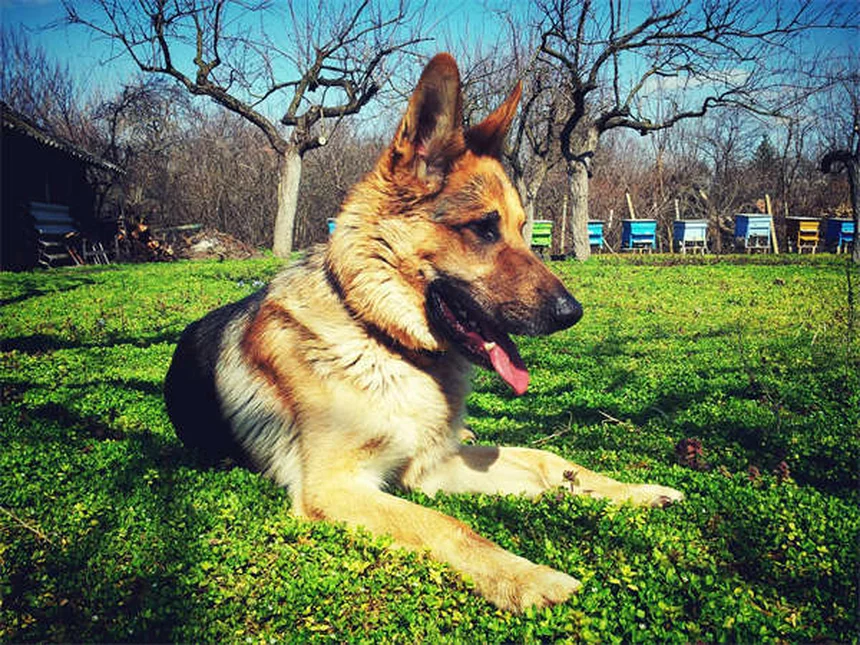
- German Shepherds
- West Highland White Terriers
But here's a question you might be wondering: Why do allergies develop in the first place? The answer lies in the immune system overreacting to harmless substances. It's like your dog's body is crying wolf at pollen particles!
How Vets Diagnose Pollen Allergies
The Detective Work Begins
When you bring your itchy pup to the vet, they'll start with a thorough exam. They'll check for:
- Flea dirt (those pesky little black specks)
- Skin infections (often secondary to allergies)
- Ear problems (a common allergy side effect)
Your vet might do skin scrapings to rule out mites or other parasites. They'll also ask about your dog's history - when the itching started, what makes it better or worse, and if it's seasonal.
The Allergy Testing Process
For a definitive diagnosis, your vet might recommend allergy testing. There are two main types:
- Skin testing (the gold standard) where small amounts of allergens are injected under the skin
- Blood testing that looks for allergy antibodies
Here's something interesting: allergy testing isn't usually done on the first visit. Most vets will try simpler treatments first to see if they help.
Effective Treatments for Pollen Allergies
 Photos provided by pixabay
The Itchy and Scratchy Show
When it comes to treating pollen allergies, we've got several weapons in our arsenal:
- Antihistamines like Benadryl (but never give human meds without vet approval!)
- Prescription medications like Apoquel or Cytopoint
- Steroids for severe flare-ups (short-term use only)
Did you know there's a new medication called Zenrelia that was approved in 2024? It's specifically for allergy-related itching and can be a game-changer for some dogs.
Beyond Medications: Other Helpful Approaches
Medications aren't the only solution. Here are some additional strategies:
- Omega-3 supplements to support skin health
- Special shampoos to soothe irritated skin
- Allergy shots (immunotherapy) for long-term management
One question many owners ask: Can I just give my dog human allergy meds? The answer is a resounding no - many human medications are dangerous for dogs, so always consult your vet first.
Living With a Dog Who Has Pollen Allergies
Daily Management Tips
Managing pollen allergies is all about reducing exposure. Try these simple strategies:
- Wipe your dog's paws after outdoor adventures
- Bathe them regularly with gentle shampoos
- Use HEPA air filters in your home
- Wash bedding frequently
Pro tip: keep a calendar of when symptoms flare up. This helps identify which pollens are problematic and when to start preventive measures.
When to See the Vet
While mild allergies can often be managed at home, you should call your vet if you notice:
- Excessive scratching leading to wounds
- Recurrent ear infections
- No improvement with home care
Remember, untreated allergies can lead to serious skin infections and make your dog miserable. Don't wait too long to seek help!
Preventing Pollen Allergy Flare-Ups
Seasonal Strategies
Different seasons call for different approaches:
| Season | Pollen Source | Prevention Tips |
|---|---|---|
| Spring | Trees | Limit morning walks when pollen counts are highest |
| Summer | Grasses | Avoid freshly cut grass areas |
| Fall | Weeds | Keep your yard weed-free |
Fun fact: pollen counts are usually highest in the early morning and on warm, windy days. Planning walks for evenings after rain can make a big difference!
Long-Term Management
For dogs with severe allergies, consider these approaches:
- Allergy shots (immunotherapy) tailored to your dog's specific allergies
- Prescription diets that support skin health
- Regular vet check-ups to monitor progress
The good news? With proper management, most allergic dogs can live happy, comfortable lives. It just takes some patience and teamwork with your vet!
The Surprising Connection Between Dog Allergies and Human Allergies
Do Dogs and Owners Share Allergy Patterns?
Here's something fascinating - if you suffer from seasonal allergies, there's a decent chance your dog might too. Research shows that households with allergic humans often have allergic pets. It's not that allergies are contagious, but rather that we share similar environmental triggers.
Think about it - you're both breathing the same air, walking on the same grass, and exposed to the same pollen counts. My neighbor's golden retriever developed allergies right after they moved from Arizona to Georgia. Coincidence? Probably not!
The Hygiene Hypothesis in Dogs
You've probably heard about the hygiene hypothesis for humans - the idea that too-clean environments might contribute to allergies. Well, guess what? The same concept might apply to dogs.
Studies suggest that dogs raised in rural environments with more microbial exposure tend to have fewer allergies than their city-dwelling counterparts. It makes you wonder - should we let our dogs roll in the dirt more often? Maybe those muddy paws aren't so bad after all!
Alternative Therapies for Pollen Allergies
Natural Remedies Worth Trying
While medications work great for many dogs, some owners prefer natural approaches. Here are a few that actually show promise:
- Local honey - contains trace amounts of local pollens that might help desensitize
- Quercetin supplements - a natural antihistamine found in apples and berries
- Coconut oil - great for soothing irritated skin when applied topically
But here's the million dollar question: Do these natural remedies really work? The answer is maybe - they seem to help some dogs, but results vary widely. Always check with your vet before trying anything new.
The Power of Probiotics
Recent studies reveal something amazing - gut health might influence allergy symptoms in dogs just like in humans. Probiotic supplements could potentially:
- Strengthen the immune system
- Reduce inflammatory responses
- Improve skin barrier function
I've seen dogs go from constant scratching to much more comfortable after adding probiotics to their diet. It's not an overnight miracle, but over weeks or months, the difference can be noticeable.
The Emotional Toll of Chronic Allergies
How Allergies Affect Your Dog's Mood
We often focus on the physical symptoms, but chronic itching can really impact a dog's quality of life. Imagine trying to sleep when you can't stop scratching - you'd be grumpy too!
Dogs with untreated allergies often show:
- Increased irritability
- Less interest in play
- Difficulty settling down
I'll never forget the transformation in a client's cocker spaniel after getting his allergies under control. He went from lethargic and withdrawn to his old playful self in just a few weeks.
The Owner's Stress Factor
Let's be honest - watching your dog suffer is heartbreaking. Many owners experience:
| Common Feelings | How It Manifests |
|---|---|
| Guilt | "Am I doing enough for my dog?" |
| Frustration | When treatments don't work immediately |
| Financial stress | From ongoing vet bills and medications |
The good news? Most allergy cases become manageable with time and patience. You're not alone in this journey!
Technology Meets Allergy Management
Smartphone Apps for Allergy Tracking
Welcome to the 21st century - there are now apps that can help you track your dog's allergy symptoms and local pollen counts. Some even allow you to:
- Log daily symptoms
- Receive pollen alerts
- Share data directly with your vet
My personal favorite is the "Petal Pollen Tracker" which gives real-time updates on allergen levels in your area. It's like having a weather app, but for your dog's comfort!
The Future of Allergy Testing
Get ready for this - some companies now offer at-home allergy test kits for dogs. You simply:
- Collect a saliva or hair sample
- Mail it to the lab
- Receive detailed results about potential allergens
While these tests aren't as comprehensive as veterinary testing, they can provide helpful clues about what might be triggering your dog's reactions. Technology is changing the game for allergy management!
When to Consider Seeing a Veterinary Dermatologist
Signs You Need a Specialist
Most general vets can handle routine allergy cases, but sometimes you need extra help. Consider a veterinary dermatologist if:
- Your dog isn't responding to standard treatments
- Skin infections keep recurring
- You want to explore immunotherapy options
I always tell clients - think of it like human medicine. Sometimes you need that specialist who lives and breathes skin conditions all day, every day.
What to Expect at the Specialist
A veterinary dermatologist will typically:
- Perform more advanced allergy testing
- Recommend customized treatment plans
- Offer access to newer treatment options
The best part? Many now offer telemedicine consultations, so you might not even need to travel far. Modern veterinary care is more accessible than ever!
E.g. :Pollen Allergies in Dogs: Symptoms and How To Treat Them | PetMD
FAQs
Q: What are the most common symptoms of pollen allergies in dogs?
A: If your dog has pollen allergies, you'll likely notice them scratching constantly - especially their paws, ears, and belly. Other telltale signs include excessive licking (they might turn their paws pink from all the attention!), red irritated skin, watery eyes, and frequent sneezing. Some dogs even develop ear infections or hot spots from all the scratching. I always tell my clients that if your dog seems obsessed with any part of their body, it's time to consider allergies. The itching can be so intense that dogs will scratch until they bleed, so don't wait too long to seek help!
Q: Can certain dog breeds get pollen allergies more than others?
A: Absolutely! Through years of practice, I've noticed that some breeds are much more prone to developing pollen allergies. Bulldogs (both English and French varieties), Golden Retrievers, Labrador Retrievers, and West Highland White Terriers top the list. These breeds seem to have inherited sensitive immune systems that overreact to pollen. But here's something important - any dog, regardless of breed, can develop allergies. I've even seen mixed breed dogs with severe pollen allergies, so don't assume your mutt is safe just because they're not a purebred!
Q: What's the best way to diagnose pollen allergies in my dog?
A: Diagnosing pollen allergies typically starts with a thorough vet exam to rule out other causes of itching like fleas or skin infections. Your vet will ask about when the symptoms appear (seasonal patterns are a big clue) and might recommend allergy testing. The gold standard is intradermal skin testing where small amounts of allergens are injected under the skin to check for reactions. Blood tests can also help identify problematic pollens. But here's my pro tip: before jumping to expensive testing, try keeping a symptom diary noting when your dog itches most and what plants are blooming - this can provide valuable clues!
Q: Are there any home remedies for dog pollen allergies?
A: While severe allergies need veterinary treatment, there are several effective home strategies to help your pollen-allergic pup. Wiping their paws and belly after outdoor time removes clinging pollen. Bathing every 2-4 weeks with a gentle oatmeal shampoo can soothe itchy skin. Omega-3 supplements help strengthen the skin barrier. HEPA air filters in your home trap airborne pollen. And washing bedding frequently eliminates pollen buildup. But remember - if your dog is miserable, don't hesitate to call your vet. There are excellent prescription medications that can provide much-needed relief when home care isn't enough.
Q: Can pollen allergies in dogs be cured or just managed?
A: Here's the honest truth - pollen allergies can't be cured, but they can be very well managed. With the right approach, most allergic dogs live completely normal, comfortable lives. Treatment options range from seasonal antihistamines to year-round immunotherapy (allergy shots tailored to your dog's specific allergies). The key is working closely with your vet to find what works best for your pup. Some dogs only need help during peak pollen seasons, while others require ongoing management. The good news? With today's treatment options, there's no reason any dog should suffer from uncontrolled allergies!