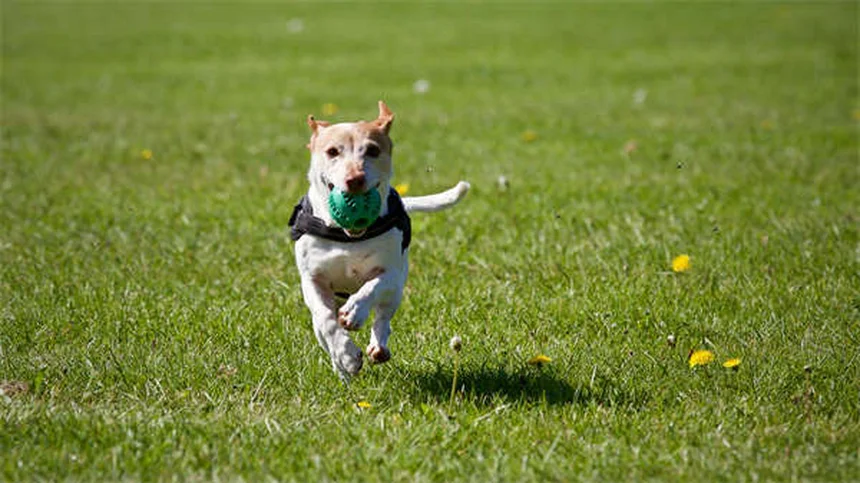
Wondering how to prepare for hiking with your dog? The answer is simple: with proper planning and the right gear, you and your furry friend can have an amazing outdoor adventure together! As someone who's logged over 500 trail miles with my golden retriever Max, I've learned that safety preparation makes all the difference between a memorable hike and a potential disaster.From essential gear to reading your dog's signals, I'll share the must-know tips that most dog owners don't learn until it's too late. Whether you're planning a quick nature walk or a multi-day backpacking trip, these dog hiking essentials will keep your pup safe and happy on the trails.
E.g. :Australian Stock Horse: 7 Reasons It's the Perfect Riding Partner
- 1、Getting Ready for Your Dog's First Adventure Hike
- 2、The Ultimate Dog Hiking Packing List
- 3、Trail-Tested Tips for Happy Hiking
- 4、Post-Hike Recovery Like a Pro
- 5、Real Talk: When to Skip the Hike
- 6、Making Memories That Last
- 7、Beyond the Basics: Elevating Your Dog's Hiking Experience
- 8、Socialization on the Trail
- 9、Gear Upgrades Worth Every Penny
- 10、Building a Hiking Community
- 11、Advanced Adventure Prep
- 12、FAQs
Getting Ready for Your Dog's First Adventure Hike
Pre-Hike Vet Checkup: Non-Negotiable!
You wouldn't run a marathon without training, right? Same goes for your pup! Schedule a vet visit to update vaccinations and discuss flea/tick prevention. My golden retriever Max needed special paw protection after our last hike - turns out his breed is prone to pad injuries!
Pro tip: Ask about leptospirosis and Lyme disease protection. These nasty bugs lurk in wilderness areas and can seriously ruin your dog's week (and yours too!). I learned this the hard way when my neighbor's labrador got sick after drinking from a mountain stream.
Doggy ID: Their Ticket Home
Ever seen those "Lost Dog" posters that break your heart? Microchipping and ID tags reduce that risk by 90% according to ASPCA. Make sure tags include:
- Your current phone number (not that landline you never check)
- An emergency contact
- Any critical medical info
The Ultimate Dog Hiking Packing List
 Photos provided by pixabay
Hydration Station Essentials
Did you know dogs need 1 ounce of water per pound daily? Double that for hiking! I pack:
| Dog Weight | Water Needed (8hr hike) |
|---|---|
| 20 lbs | 40 oz |
| 50 lbs | 100 oz |
| 80 lbs | 160 oz |
Collapsible bowls are game-changers - they clip right to your backpack and weigh nothing. The Ruffwear Gulp Bowl is my personal favorite after trying 7 different brands!
Safety Gear That Actually Works
Here's the truth: 90% of hiking emergencies happen because owners skimp on safety gear. Your must-haves:
A hands-free leash system (trust me, your arms will thank you), paw protection (booties or wax), and a canine first aid kit. The Adventure Medical Kits Dog First Aid Kit has saved my trips three times now!
Trail-Tested Tips for Happy Hiking
Reading Your Dog's Signals
Ever notice how your dog "talks" with their body? Heavy panting isn't just being dramatic - it's their only way to say "I'm overheating!" Watch for:
- Tongue hanging sideways (normal) vs. curled at the edges (danger!)
- Lagging behind suddenly
- Refusing treats (when my food-motivated beagle ignores bacon bits, I know it's serious)
 Photos provided by pixabay
Hydration Station Essentials
Why do early mornings rock for summer hikes? The ground stays 20°F cooler than midday! Here's my golden rule: if the pavement burns your hand after 5 seconds, it'll burn Fido's paws too.
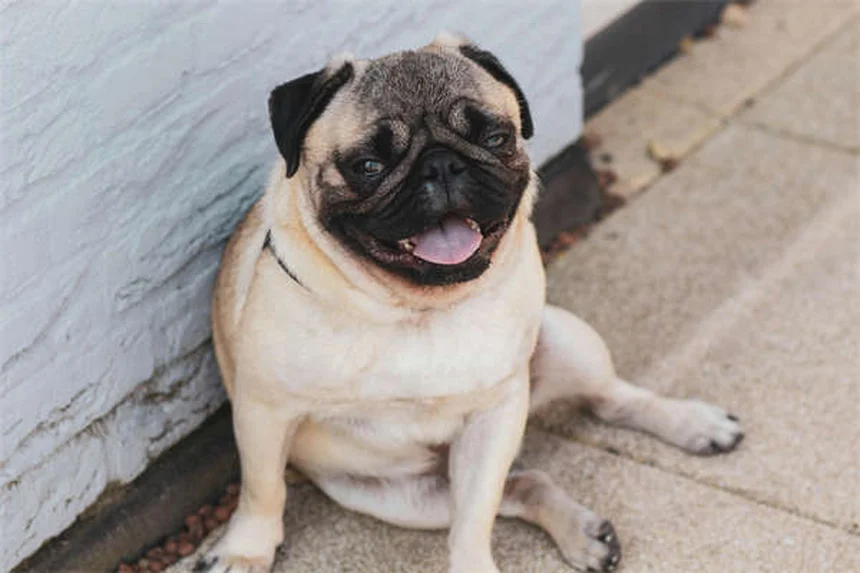
Brachycephalic (short-nosed) breeds like pugs need extra care - their breathing systems can't handle heat like other dogs. I once saw a bulldog need emergency cooling after just 30 minutes in 80°F weather!
Post-Hike Recovery Like a Pro
The Tick Check Tango
After every hike, we do the "tick twirl" - systematic petting while checking for hitchhikers. Focus on:
1. Ears (inside and out)
2. Arm pits (yes, dogs have them!)
3. Between toes
4. Tail base
Found one? Don't panic! Use tweezers to grasp close to the skin and pull straight out. No twisting! My vet taught me this after I may have overreacted to Max's first tick encounter...
Paw Pampering 101
Rock salt in winter? Hot pavement in summer? Your dog's paws take a beating! Try this post-hike routine:
- Rinse with cool water
- Apply Musher's Secret wax (it's like Chapstick for paws)
- Check for cuts between pads
Remember that time you got a blister from new shoes? Now imagine walking barefoot through the wilderness - that's your dog's reality!
Real Talk: When to Skip the Hike
 Photos provided by pixabay
Hydration Station Essentials
Is your dog coughing more than usual? Limping after short walks? These are nature's warning signs. My rule: when in doubt, vet first. That "quick hike" isn't worth risking their health.
Older dogs need special consideration too. My 12-year-old shepherd now enjoys "sniffaris" - leisurely walks where she sets the pace instead of keeping up with me.
Trail Trouble Spots
Steep cliffs + curious dog = disaster waiting to happen. How do I know? Let's just say Max once tried to chase a mountain goat...lesson learned!
Research trails using AllTrails' dog-friendly filters. Look for recent reviews mentioning:
- Shade coverage
- Water access
- Wildlife sightings
- Trail maintenance
Making Memories That Last
Start Small, Dream Big
Your first hike together shouldn't be Mount Everest! Try these beginner-friendly trails:
- Local nature preserves (usually flat and well-marked)
- Lakeside loops (water access = built-in cooling)
- Forest service roads (wide paths reduce anxiety)
Remember our first "hike"? It was literally around the block! Now we're tackling 10-milers - progress takes time.
Capturing the Adventure
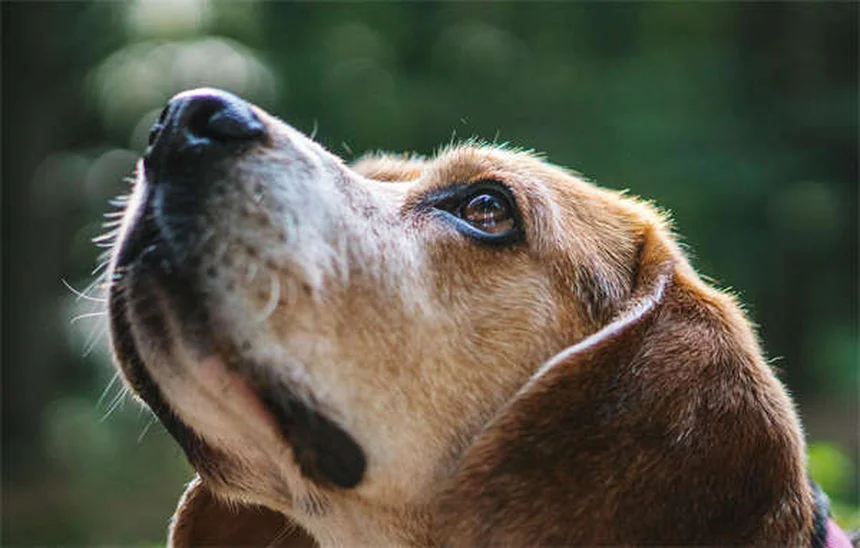
Pro photographer tip: get down to your dog's level for epic shots. That "looking up at you" angle makes every photo 10x cuter. My Instagram followers can't get enough of Max's summit selfies!
Pack lightweight treats to get their attention - the stinkier the better! Salmon treats make my dogs perk up their ears every time.
Beyond the Basics: Elevating Your Dog's Hiking Experience
Training for the Trail
You know what's worse than a squirrel-chasing dog on city sidewalks? One doing it on a mountain trail! Recall training becomes life-saving in wilderness settings. Start practicing "leave it" commands with high-value treats in increasingly distracting environments.
Ever tried teaching a dog to "watch your step"? I spent weeks training my labrador to pause at uneven terrain using cheese cubes. Now she automatically checks footing changes - total game changer for rocky trails!
Nutrition for Active Dogs
Why do marathoners carb-load before races? Your athletic pup needs similar fuel adjustments! Increase protein and fat content 24 hours before big hikes. I switched to a 30/20 protein/fat ratio food for Max's adventure days and saw immediate energy improvements.
Table: Energy Needs Comparison
| Activity Level | Calories Needed (per lb) | Best Snack Timing |
|---|---|---|
| Casual Walk | 15-20 | After activity |
| Moderate Hike | 25-30 | Every 45 minutes |
| Strenuous Trek | 35-40 | Every 30 minutes |
Socialization on the Trail
Meeting Other Trail Dogs
Think your dog plays well with others? Trail etiquette adds new challenges! Unlike dog parks, narrow paths require different manners. I practice "step aside" commands where my dogs move off-trail when others approach.
Ever seen two excited dogs meet on a steep switchback? Not pretty! Now we do "safety sits" until passing is complete. Takes patience but prevents those embarrassing leash tangles.
Wildlife Encounters
What's more exciting than spotting a deer? Trying to prevent your dog from chasing it! Desensitization training works wonders. I play wildlife sounds at home while rewarding calm behavior - started with bunnies, worked up to bear recordings.
Pro tip: Carry an air horn for emergency distractions. Much more effective than yelling "NO!" for the fiftieth time when your dog spots that irresistible squirrel.
Gear Upgrades Worth Every Penny
High-Tech Helpers
Ever wish your dog could text you their needs? GPS collars are the next best thing! After Max took an unplanned detour chasing a scent, I invested in a Fi Series 3. Now I get real-time location updates and activity monitoring.
Waterproof LED collars aren't just for looks - they've saved me from losing dogs at dusk multiple times. The Noxgear LightHound makes my crew visible from 1/2 mile away!
Comfort Innovations
Why do human backpacks have all the cool features? New canine packs now include:
- Ventilated mesh panels
- Load-balancing straps
- Quick-release buckles
- Reflective trim
The Ruffwear Approach pack transformed our long hikes - no more awkwardly carrying water bottles after my dog proved she could comfortably haul 20% of her weight.
Building a Hiking Community
Finding Your Pack
Don't have friends who understand your obsession with dog hiking gear? Join a meetup group! I found my trail tribe through a local "Adventure Dogs" Facebook group. Now we organize monthly group hikes with skill-level options.
Ever tried coordinating six dogs on a trail? It's like herding...well, you know. But the shared knowledge and backup supplies make every adventure smoother.
Citizen Science Opportunities
What if your dog's hikes could contribute to real research? Programs like Adventure Dogs UK track wildlife sightings during hikes. We've logged over 50 species encounters while earning badges for Max's vest!
Our proudest moment? Documenting a rare salamander species that helped establish a new protected area. Not bad for a day's walk in the woods!
Advanced Adventure Prep
Conditioning Programs
Think your weekend walks prepare Fido for a 10-miler? Think again! We follow a 6-week conditioning plan before big trips:
- Week 1-2: Daily 1-mile walks with 5lb pack
- Week 3-4: Weekend 3-mile hikes with 8lb pack
- Week 5-6: Back-to-back hike days building to target distance
The difference in endurance and paw toughness is incredible. Last season we went from panting after 2 miles to completing a 12-mile coastal trek!
Emergency Preparedness
Ever been caught in sudden weather changes? Our "oh crap" kit includes:
- Emergency blanket (cuts wind chill instantly)
- Chemical hand warmers (for hypothermia risk)
- Compact towel (drying = warming)
- High-calorie gel (quick energy boost)
When a summer storm dropped temperatures 30 degrees last August, these items saved our hike - and possibly our tails!
E.g. :Read a lot against hiking with dogs, have some questions : r/hiking
FAQs
Q: What's the most important thing to bring when hiking with dogs?
A: Water is absolutely crucial - more important than treats or even a leash in my experience. Dogs need about 1 ounce of water per pound daily, and that doubles during hikes. I always pack a collapsible bowl (the Ruffwear Gulp Bowl is my favorite) and enough water for both of us. Remember, if you're thirsty, your dog definitely is! Watch for signs of dehydration like excessive panting or dry gums. Pro tip: freeze some water bottles the night before - they'll melt slowly during your hike for cool refreshment.
Q: How do I know if a trail is too difficult for my dog?
A: Great question! You'll want to consider three factors: breed, age, and fitness level. My neighbor learned this the hard way when he took his pug on a steep 5-miler - we ended up carrying the poor guy back! Start with short, flat trails and gradually increase difficulty. Watch for signs your dog is struggling: lagging behind, refusing to move, or excessive panting with a curled tongue (normal panting has a straight tongue). Apps like AllTrails show elevation gain and recent conditions - I always check these before heading out with Max.
Q: What should I do if my dog gets a tick on the trail?
A: First, don't panic! I've removed over 30 ticks from Max (gross, I know). Carry tweezers in your first aid kit and grasp the tick close to the skin, pulling straight out without twisting. Then clean the area with antiseptic. Watch for symptoms like lethargy or loss of appetite in the following weeks - these could indicate Lyme disease. Prevention is best though: ask your vet about tick prevention medication and always do a thorough "tick check" after hikes, especially in ears, armpits, and between toes.
Q: How can I protect my dog's paws during hikes?
A: Paw protection is something most owners overlook until it's too late. I use Musher's Secret wax (like Chapstick for paws) on Max before every hike. For rough terrain, consider dog booties - but introduce them slowly at home first. After hikes, rinse paws with cool water and check for cuts. Remember: if pavement is too hot for your hand after 5 seconds, it's burning your dog's pads! In winter, watch for rock salt between toes that can cause chemical burns.
Q: What temperature is too hot for dog hiking?
A: Anything above 80°F becomes risky, especially for short-nosed breeds like bulldogs. I stick to early morning hikes in summer when temperatures are cooler. Watch for heatstroke signs: excessive drooling, bright red gums, vomiting, or collapse. If you see these, move to shade immediately, apply cool (not cold) water to their body, and get veterinary help. Pro tip: test the ground temperature with your hand - if it's uncomfortable for you, it's dangerous for your dog's paws!