What is sotalol for pets? The answer is: Sotalol is a life-saving heart medication that helps control dangerous irregular heartbeats in dogs, cats, and horses. As a pet owner, I know how scary it can be when your furry friend develops heart problems - that's why understanding this medication is so important. While it's technically FDA-approved for humans (sold as Betapace®), veterinarians commonly prescribe it off-label for our four-legged companions. The truth is, when used correctly under veterinary supervision, sotalol can be a game-changer for pets with certain types of arrhythmias. But here's the catch - it's not right for every animal, and proper dosing is absolutely crucial. Stick with me as we break down everything you need to know about this powerful medication, from how it works to potential side effects and administration tips.
E.g. :American Mustang Horses: 7 Must-Know Facts Before Adoption
- 1、Understanding Sotalol for Pets
- 2、The Science Behind Sotalol
- 3、Practical Tips for Pet Owners
- 4、Emergency Situations
- 5、Common Questions Answered
- 6、Final Thoughts
- 7、Beyond the Basics: What Else You Should Know
- 8、Real-Life Success Stories
- 9、Preventive Measures and Lifestyle Tips
- 10、Looking to the Future
- 11、FAQs
Understanding Sotalol for Pets
What Exactly Is This Medication?
Let me break it down for you - sotalol is like a superhero for your pet's heart! It's a prescription medication that helps control those scary fast heartbeats caused by irregular rhythms (doctors call this "arrhythmia"). Whether your furry friend is a dog, cat, or even a horse, this medication can be a game-changer.
Here's how it typically goes down: Your vet will first play detective to figure out what type of arrhythmia your pet has (could be in the upper or lower heart chambers) and why it's happening. Only then will they recommend sotalol, either by itself or teamed up with other medications. Fun fact: While it's FDA-approved for humans (sold as Betapace® or Sotylize®), vets often use it "off-label" for pets - which is completely legal and common!
When Might Your Pet Need It?
Picture this: Your normally energetic golden retriever suddenly tires easily or your cat starts acting like it's drunk (loss of balance). These could be signs of heart trouble where sotalol might help. But - and this is important - it's not for every pet. Those with asthma, certain heart conditions, or diabetes might need different solutions.
| Good Candidates | Poor Candidates |
|---|---|
| Pets with ventricular tachycardia | Pets with congestive heart failure |
| Animals with atrial fibrillation | Diabetic pets |
| Other specific arrhythmias | Pets with asthma |
The Science Behind Sotalol
 Photos provided by pixabay
How Does It Actually Work?
Ever wonder how this tiny pill does its magic? Sotalol wears two hats: it's both a potassium channel blocker and a beta-blocker. The first part helps reset your pet's heart electrical system properly, while the second part puts the brakes on that racing heartbeat. Think of it like a traffic cop directing your pet's heart rhythm back to normal!
Here's something fascinating - did you know sotalol starts working within hours? But you might not see obvious changes because the real action happens inside. That's why your vet will likely want to run follow-up tests to check if it's doing its job correctly.
What About Side Effects?
Let's be real - no medication comes without potential side effects. With sotalol, your pet might experience:
- Lethargy (that's vet-speak for being extra sleepy)
- Occasional vomiting
- Decreased appetite
But here's a critical reminder: Never share your pet's medication with humans or vice versa! The dosages are completely different, and accidental human consumption requires immediate medical attention (call Poison Control at 800-222-1222).
Practical Tips for Pet Owners
Giving the Medication Correctly
Want to make sotalol work its best? Give it on an empty stomach - about 1 hour before or 2 hours after meals. Your vet will probably start with a low dose and gradually increase it, kind of like easing into a swimming pool instead of doing a cannonball!
Oops - forgot a dose? Don't panic! Check with your vet, but generally you can give it when you remember (unless it's almost time for the next dose). Whatever you do, don't double up doses - that's asking for trouble.
 Photos provided by pixabay
How Does It Actually Work?
Keep sotalol in its happy place: room temperature (68–77°F), away from light and moisture. And please - keep it out of reach of curious kids and pets! If you get a compounded version (specialty-made for your pet), follow the pharmacy's specific storage instructions.
Emergency Situations
Recognizing an Overdose
While rare, overdoses can happen. Watch for these red flags:
- Excessive panting
- Dangerously slow heartbeat
- Collapsing episodes
If you suspect an overdose, act fast! Call your vet immediately or contact animal poison control:
- Pet Poison Helpline: (855) 764-7661
- ASPCA Animal Poison Control: (888) 426-4435
Common Questions Answered
How Long Until We See Improvement?
Here's something many pet owners ask: "Why isn't my dog acting differently if the medication is working?" Great question! The truth is, while sotalol starts working quickly internally, outward signs might take longer to appear. Your vet will need to monitor with tests to really see the benefits.
 Photos provided by pixabay
How Does It Actually Work?
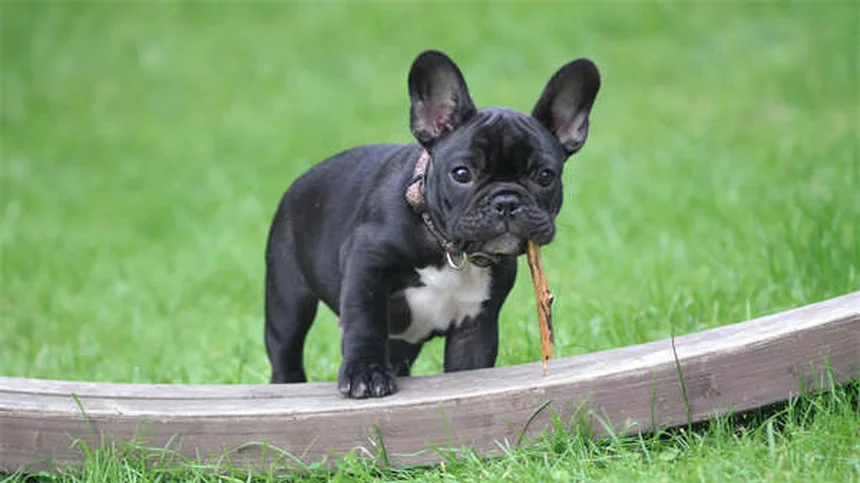
Another frequent question: "Can I just use the same dose for my neighbor's dog?" Absolutely not! Dosage depends on your pet's weight, breed, age, and other medications. It's as personalized as your coffee order - what works for a Chihuahua won't suit a Great Dane!
Final Thoughts
Working With Your Vet
Remember, managing heart conditions is a team sport between you and your vet. Keep all follow-up appointments, report any changes (good or bad), and don't hesitate to ask questions. Your vet wants your pet to feel better just as much as you do!
The Big Picture
While sotalol isn't a cure-all, it's an incredibly useful tool for managing certain heart conditions. With proper use and monitoring, it can help your furry friend enjoy more good days. And isn't that what we all want for our pets?
Beyond the Basics: What Else You Should Know
The Financial Side of Treatment
Let's talk dollars and sense - because pet care isn't cheap! A month's supply of sotalol typically costs between $30-$100, depending on your pet's size and dosage. But here's something interesting: compounding pharmacies can often create flavored versions (think chicken or beef) that might make administration easier, though these usually cost 10-20% more.
Did you know pet insurance might cover part of this expense? Many plans consider heart medications as eligible claims. I'd recommend checking your policy details or asking your vet's office staff - they've seen it all when it comes to payment options!
Alternative Therapies Worth Considering
While sotalol works wonders for many pets, some owners explore complementary approaches. Acupuncture has shown promise in managing certain heart conditions in animals - a 2018 veterinary study reported improved quality of life in 65% of treated pets. Just make sure to consult your vet before adding any new therapies!
| Supplement | Potential Benefit | Caution |
|---|---|---|
| Omega-3 fatty acids | May reduce inflammation | Can thin blood at high doses |
| Coenzyme Q10 | Supports heart muscle | Interacts with some medications |
| Hawthorn | Traditional heart tonic | Must be dosed carefully |
Real-Life Success Stories
Max the Boxer's Comeback
Remember that neighbor who always walks his boxer at 7 AM sharp? That's Max - a sotalol success story if I ever saw one! At age 6, Max developed ventricular tachycardia so severe he could barely walk around the block. After starting sotalol combined with careful exercise management, he's back to his playful self (though now with shorter, more frequent walks).
What's really inspiring is how Max's owner adapted - he created a heart-healthy diet plan with their vet and even started a local support group for pet owners dealing with similar issues. Talk about turning lemons into lemonade!
Whiskers the Senior Cat
Here's a thought: Can older cats really benefit from heart medications? You bet they can! Take Whiskers, a 14-year-old tabby who developed atrial fibrillation. Many owners might hesitate to treat a senior pet, but with careful monitoring and proper dosing, Whiskers gained two extra quality years - complete with purring, sunbathing, and gentle play.
The key was regular check-ups (every 3 months) and adjusting the dosage as needed. Whiskers' story proves age shouldn't automatically rule out treatment when there's potential for improved quality of life.
Preventive Measures and Lifestyle Tips
Exercise Do's and Don'ts
If your pet's on sotalol, exercise needs special attention. Short, frequent walks beat marathon sessions - think "sniff strolls" rather than jogging partners. I've seen some creative solutions: one owner taught their dog to use a treadmill at slow speeds for rainy days!
Watch for these warning signs during activity: excessive panting, stumbling, or blue-tinged gums. These mean stop immediately and rest. On the flip side, don't turn your pet into a couch potato - gentle movement helps circulation!
The Emotional Impact on Pets
We often forget pets sense our stress. A 2020 study showed dogs can mirror their owner's anxiety levels - and stress affects heart health! Creating calm routines helps both of you. Try these simple tricks:
- Soft classical music during alone time
- Pheromone diffusers in resting areas
- Massage techniques (yes, really!)
One client swears by "tea time" with her anxious terrier - they both sit quietly with treats (herbal tea for her, tiny treats for the dog). It's become their special bonding ritual that lowers both their heart rates!
Looking to the Future
Emerging Research in Veterinary Cardiology
Here's something exciting - researchers are developing extended-release versions of sotalol that could mean fewer daily doses. Early trials show promise in maintaining steadier blood levels with potentially fewer side effects. While not yet available for pets, it's encouraging to see progress!
Another frontier? Genetic testing to predict which pets might develop arrhythmias. Some breeds like Dobermans and Boxers already have identified genetic markers. Could preventive treatment before symptoms appear be in our future? The science says maybe!
Technology Meets Pet Care
Ever wish you could monitor your pet's heart at home? Now you can! Affordable pet-specific ECG devices (like the PetPace collar) can track rhythms between vet visits. Some even sync with smartphone apps - how cool is that?
One tech-savvy client I know created a shared Google Doc with her vet to log daily observations: energy levels, appetite, and medication times. This simple system helped fine-tune her cat's treatment plan dramatically. Sometimes low-tech solutions work best!
E.g. :Table: Commonly Used Cardiovascular Drugs and Dosages-Merck ...
FAQs
Q: Can I give my dog the same sotalol dosage as my neighbor's dog?
A: Absolutely not! Here's why - sotalol dosing is as personalized as your pet's unique personality. Your veterinarian will calculate the perfect dose based on your dog's weight, breed, age, and other medications they're taking. What works for a 5-pound Chihuahua could be dangerous for a 100-pound Great Dane. We always start with a low dose and gradually increase it while monitoring your pet's response. Never share medications between pets, even if they seem similar. Your vet may need to adjust the dose several times before finding the sweet spot that controls the arrhythmia without causing side effects.
Q: How quickly will I see improvement in my pet after starting sotalol?
A: While sotalol starts working inside your pet's body within hours, you might not see obvious outward changes right away. That's because heart medications work on what we can't see - the electrical activity of the heart. Some pets show energy improvement within days, while others may take weeks. We typically recommend follow-up ECGs or other tests about 1-2 weeks after starting treatment to confirm it's working properly. Remember, every pet responds differently - what matters most is that dangerous heart rhythms are being controlled, even if your pet doesn't "act" differently.
Q: What should I do if I miss giving a dose of sotalol to my pet?
A: First, don't panic! Here's our standard advice: If you remember within a few hours of the missed dose, go ahead and give it. If it's almost time for the next dose, skip the missed one and continue with the regular schedule. Never double up doses - this can lead to serious complications. Keep a medication log if you have trouble remembering doses, and consider setting phone reminders. If you frequently forget doses, talk to your vet about strategies to help with medication compliance, as consistent dosing is crucial for heart medications.
Q: Are there any foods or medications that interact with sotalol?
A: Yes, and this is super important! Sotalol works best on an empty stomach (give 1 hour before or 2 hours after meals), but certain foods and medications can cause problems. Avoid giving with antacids or dairy products within 2 hours of dosing. Other heart medications, certain antibiotics, and even some flea/tick preventatives can interact. Always tell your vet about all medications and supplements your pet takes. We recommend keeping a current list in your phone for vet visits. When in doubt about a potential interaction, call your vet's office - they'd rather answer your question than risk a dangerous interaction.
Q: What are the most serious side effects I should watch for with sotalol?
A: While most pets tolerate sotalol well, these red flags mean you should call your vet immediately: extreme lethargy (your pet won't get up), fainting episodes, severe vomiting, or difficulty breathing. More subtle signs like decreased appetite or mild weakness should still be reported at your next check-up. Pro tip: Take video of any unusual behavior to show your vet - it helps us assess whether it's medication-related. Remember, the benefits of controlling dangerous arrhythmias usually outweigh potential side effects, but close monitoring is key to your pet's safety.