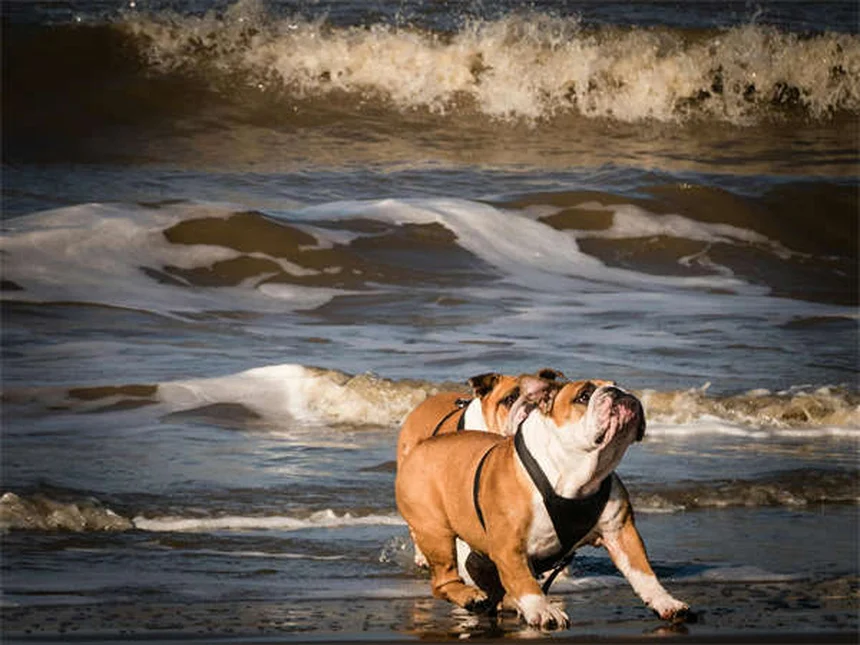
How to keep flies off dogs? The answer is simpler than you think! Flies are more than just annoying - they can actually harm your dog through painful bites and disease transmission. As a dog owner myself, I've tested every trick in the book to protect my Labrador from these pesky insects. The good news? You can significantly reduce flies around your pup using safe, vet-approved methods like proper grooming, yard maintenance, and dog-friendly repellents. In this guide, I'll share the exact strategies that worked for me and thousands of other pet parents. Let's dive in!
E.g. :Best Heartworm Prevention for Dogs and Cats: Top Vet-Approved Options
- 1、Why Flies Love Your Dog (And How to Stop Them)
- 2、The Painful Truth About Fly Bites
- 3、Meet the Bug Brigade Attacking Your Dog
- 4、Proven Fly Prevention Strategies
- 5、Bath Time: More Than Just Fresh Smells
- 6、Yard Maintenance: Your Secret Weapon
- 7、Safe Repellents That Actually Work
- 8、Smart Trapping Without the Mess
- 9、When to Call the Vet
- 10、The Science Behind Why Flies Target Dogs
- 11、Surprising Fly Behaviors Around Dogs
- 12、Historical Perspective on Dogs and Flies
- 13、Psychological Impact on Dogs
- 14、Climate Change and Future Fly Problems
- 15、Fly Prevention Products - What Really Works?
- 16、The Big Picture - Ecological Considerations
- 17、FAQs
Why Flies Love Your Dog (And How to Stop Them)
The Gross Reasons Flies Won't Leave Your Pup Alone
Ever wondered why flies treat your dog like a five-star buffet? It's not just bad luck - these pests have specific reasons for bugging your furry friend. Let me break it down for you.
Dirty dogs are fly magnets. If your pup has accidents, rolls in poop, or has skin infections, they're basically sending out dinner invitations. House flies go crazy for soiled coats, especially around private areas that don't get cleaned properly. Pro tip: Always wash off any pee or poop residue immediately after potty breaks.
Unavoidable Attractions
Now here's the frustrating part - some flies just can't resist dogs no matter what you do. Deer flies, moose flies, and mosquitoes detect the heat and carbon dioxide your pup naturally gives off. Did you know a dog's body temperature runs about 101°F? That's like a neon "Eat Here" sign for these pests!
While you can't eliminate all insects (nor should you - many are harmless), you can definitely reduce the problem. Check out this quick comparison of common dog-attracting flies:
| Fly Type | Bites? | Favorite Dog Spot | Danger Level |
|---|---|---|---|
| House Flies | No | Dirty coats | Low |
| Stable Flies | Yes | Pointy ears | Medium |
| Black Flies | Yes | Hairless belly | High |
The Painful Truth About Fly Bites
 Photos provided by pixabay
More Than Just Annoying
Think fly bites are no big deal? Think again! These tiny terrors don't just irritate your dog - their bites hurt like crazy and can lead to serious infections when your pup scratches them raw.
Here's something that might surprise you: mosquitoes transmit heartworm through their bites. But don't panic! Your vet can prescribe preventatives that work like magic. I give my Labrador his heartworm meds every month - it's easier than remembering to floss!
Where Flies Attack
Flies are strategic about their attacks. They target areas with less fur coverage:
- German Shepherd ears? Bullseye for stable flies
- Hairless bellies? Black fly paradise
- Any exposed skin? Mosquito happy hour
Ever seen your dog suddenly start biting at their belly during spring? That's probably black flies having a field day. The itching drives dogs nuts, leading to that awful raw skin look we all hate.
Meet the Bug Brigade Attacking Your Dog
The Usual Suspects
Your yard might be hosting an insect convention without you knowing! Here are the main offenders:
Biting midges (aka no-see-ums) - so small you'll swear they're imaginary until the itching starts. Horse flies are the linebackers of the fly world - big, mean, and their bites feel like someone stabbed you with a hot needle.
Want to hear something wild? In Africa, tsetse flies can transmit sleeping sickness. Thankfully, we don't have those here, but it shows how serious fly bites can be!
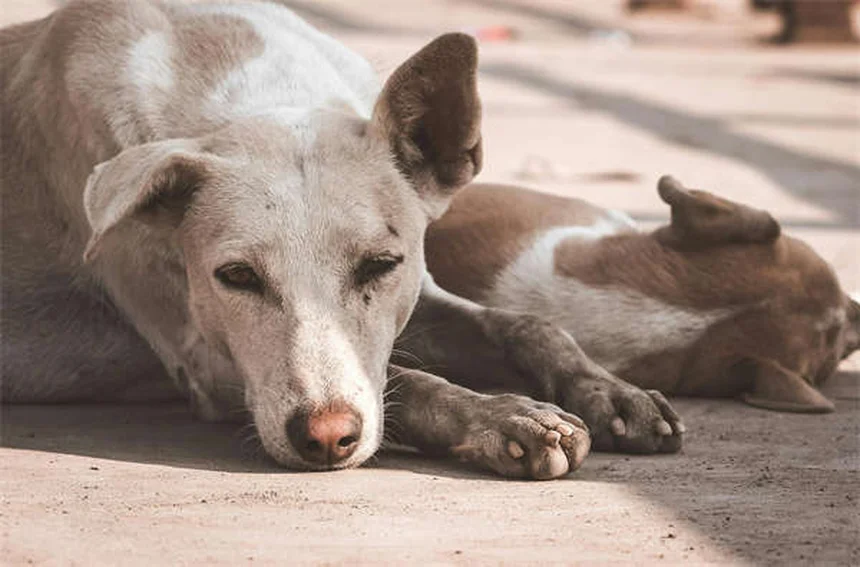 Photos provided by pixabay
More Than Just Annoying
Some bugs keep vampire hours. Sand flies, becoming more common in the U.S., mainly come out at night. Meanwhile, eye gnats don't even bite - they just swarm around your dog's face like tiny paparazzi, which is annoying enough!
Here's a fun fact: bot flies often hang out near rabbit holes. Their larvae can burrow under your dog's skin, creating painful boils. Nature's version of Alien, right?
Proven Fly Prevention Strategies
Timing Is Everything
Want to outsmart flies? Change your walk schedule! Most insects party hardest at dawn and dusk. Take midday walks when the sun's high - bugs hate the heat as much as I hate folding laundry.
Avoid grassy areas where bugs ambush from below. That beautiful meadow? Basically a fly nightclub with your dog as the main attraction. Stick to paved paths when possible.
Location Matters
Marshy areas are mosquito resorts. If your dog loves splashing in wet areas, save those adventures for cooler months when bugs aren't as active. And here's a neat trick - walk on breezy days! Mosquitoes are terrible flyers in wind.
Ever wonder why some dogs get more bites than others? It's not just bad luck. Dark-colored coats absorb more heat, making dogs more noticeable to heat-seeking flies. Who knew?
Bath Time: More Than Just Fresh Smells
 Photos provided by pixabay
More Than Just Annoying
Here's the truth about baths - they won't repel flies long-term, but they're fantastic for soothing existing bites. Oatmeal baths work wonders for itchy skin. My neighbor's Golden Retriever goes from miserable to blissed out after one!
Warning: Some DIY bath solutions backfire. Vinegar baths? They might attract more flies than they repel. Stick to gentle, vet-approved shampoos unless you want your dog to smell like a salad bar.
Clean Dog, Fewer Problems
Regular baths serve another purpose - they remove the dirt and oils that attract flies. Think of it like wiping crumbs off the counter after making sandwiches. No crumbs, no ants. Clean dog, fewer flies!
Pro tip: Pay special attention to cleaning under the tail and around the ears. These are prime real estate for fly eggs if left dirty. Nobody wants maggots in their dog's fur - trust me on this one.
Yard Maintenance: Your Secret Weapon
Poop Patrol
Here's an unpleasant truth: dog poop is fly caviar. Those little white specks you see in fresh poop? Fly eggs. Scoop immediately unless you want a fly nursery in your yard.
Make a poop pickup routine. I do it every evening while my coffee brews - multitasking at its finest! Bonus: your shoes will thank you for not stepping in surprises.
Trash Tactics
Flies love your garbage as much as they love your dog. Use sealed bins and rinse food containers before tossing them. A simple trick? Keep a small lidded bin just for dog waste bags near your pickup spot.
Did you know flies can smell food from over a mile away? That's why they always seem to appear right when you're enjoying a backyard barbecue. Pesky little food critics!
Safe Repellents That Actually Work
Dangerous DIY Myths
Pinterest might tell you essential oils are safe fly repellents. Don't believe the hype! Many popular oils - tea tree, citronella, garlic - are toxic to dogs. I learned this the hard way when my sister's dog got sick from "natural" repellent.
Here's what does work safely: neem oil, peppermint oil (in proper dilution), and cedarwood oil. But always check with your vet first - what works for one dog might bother another.
Vet-Approved Solutions
Your best bet? Prescription preventatives that combine flea, tick, and fly protection. Many heartworm meds now include insect repellent properties. It's like getting a flu shot that also keeps mosquitoes away!
Ask your vet about topical solutions for vulnerable areas like ears and bellies. My vet recommended a gentle wipe for my dog's ears that keeps flies at bay without irritating his skin.
Smart Trapping Without the Mess
Flypaper Fails
Flypaper seems like a great idea... until your curious dog gets stuck to it. Personal experience: nothing kills a dinner party vibe like your Cocker Spaniel wearing flypaper as a hat.
Instead, try homemade traps placed away from dog areas. A jar with apple cider vinegar and dish soap works surprisingly well. The vinegar attracts them, the soap traps them. Science!
Strategic Placement
Put traps where flies enter - near doors, garbage areas, or dog potty spots. But keep them high enough that your dog can't investigate. Because let's face it, if there's something sticky and smelly, your dog will find it.
Change traps weekly for best results. You'll be amazed how many flies you catch - and slightly grossed out. But hey, better in the trap than on your pup!
When to Call the Vet
Home Care vs. Professional Help
Most fly bites just need gentle cleaning and maybe an oatmeal bath. But how do you know when it's serious? Watch for: oozing wounds, excessive scratching, or behavior changes. If your normally energetic pup becomes lethargic, call the vet ASAP.
I keep Earthbath No Chew spray on hand for minor irritations. It's like putting a "Closed for Renovations" sign on itchy spots. But for anything more serious, professional help is best.
Infection Warning Signs
Redness, swelling, or heat around bites means trouble. Some dogs develop allergic reactions to fly saliva (lucky them, right?). My vet told me infections can spread frighteningly fast - within hours in some cases.
When in doubt, snap a photo and email it to your vet. Most will tell you if it's worth an office visit. Better safe than sorry when it comes to our furry family members!
The Science Behind Why Flies Target Dogs
Chemical Signals Dogs Can't Control
You know that "wet dog smell" we all recognize? That's actually a chemical dinner bell for flies! Dogs naturally produce compounds called volatile organic compounds (VOCs) through their skin and breath. Some breeds like Bulldogs and Shar-Peis produce more due to their skin folds.
Here's something fascinating - researchers found that certain VOCs attract specific fly species. For example, lactic acid (produced through panting) drives mosquitoes wild. Fun experiment: Try watching where flies land when your dog pants versus when resting - you'll see the difference!
The Temperature Factor
Ever notice flies swarm more on hot days? There's a biological reason. Flies have heat-sensing organs that detect warm-blooded animals from several feet away. Dogs with higher metabolic rates (like Terriers) literally glow on a fly's radar!
Check out this temperature comparison between dog breeds:
| Breed Type | Average Body Temp | Fly Attraction Level |
|---|---|---|
| Short-nosed (Pugs, Bulldogs) | 102°F | High |
| Long-nosed (Collies, Greyhounds) | 100.5°F | Medium |
| Double-coated (Huskies, Malamutes) | 99°F | Low |
Surprising Fly Behaviors Around Dogs
The Landing Pattern Mystery
Have you ever watched how flies land on dogs? They're not random! Flies typically target areas with less fur first - ears, belly, and groin. But here's the weird part - they often land facing upward. Scientists think this helps them avoid being flicked off by the dog's movements.
Next time you see flies on your pup, notice their positioning. It's like they've studied canine anatomy! This explains why ear tips get so many bites despite being small targets.
The "Buzzing" Communication
That annoying fly buzzing sound? It's actually fly talk! Researchers discovered certain fly species use specific wingbeat patterns to signal food sources to others. When one finds your dog, it literally calls its friends to the party.
This explains why you often see multiple flies appear suddenly. They're not magically multiplying - they're sending out the canine equivalent of a Yelp review: "5 stars for blood meals at this location!"
Historical Perspective on Dogs and Flies
Ancient Solutions That Still Work
Before modern repellents, people used some surprisingly effective methods. Ancient Egyptians would rub dogs with crushed mint leaves - science now shows mint oil does repel some fly species! Roman shepherds made "fly collars" from pine resin-soaked cloth.
Some traditional methods still hold up today. My grandmother swore by planting basil near dog runs - turns out basil contains compounds that naturally deter flies. Who knew great-grandma's gardening tips were scientifically valid?
The Evolution of Dog-Fly Relationships
Wild canines actually developed some natural defenses we've bred out of domestic dogs. Wolves and coyotes frequently roll in strong-smelling plants or dirt to mask their scent. Our pampered pups? They'd rather roll in laundry fresh out of the dryer!
Interestingly, some primitive dog breeds like Carolina Dogs still retain this behavior. Maybe there's something to that "dirty dog" look after all!
Psychological Impact on Dogs
When Bugs Affect Behavior
Persistent fly harassment can actually change your dog's personality. I've seen happy-go-lucky dogs become nervous wrecks after bad fly seasons. They start associating outdoors with discomfort, leading to reluctance to go outside.
Does your dog suddenly hate their favorite walking path? Could be they remember it as "that place where the evil biting flies live." Dogs have excellent associative memories when it comes to pain!
The Stress Factor
Chronic fly irritation raises stress hormones in dogs just like in humans. This weakens their immune system, making them more susceptible to other health issues. It's a vicious cycle - stressed dogs attract more flies due to increased skin oils and panting.
Watch for subtle signs like excessive yawning or lip-licking - these can indicate fly-related stress. My Boxer developed a nervous habit of scratching at invisible flies even indoors after a particularly bad summer!
Climate Change and Future Fly Problems
Warmer Winters Mean More Flies
Here's a scary thought - milder winters allow more fly eggs to survive until spring. Researchers predict fly seasons will start earlier and last longer in coming years. Some areas might see double the fly populations by 2050!
This means we'll need to adjust our prevention strategies. Maybe year-round flea/tick meds will become standard, or we'll need to develop new types of repellents. The future of dog care might include high-tech solutions like UV-light barriers or scent-masking nanotechnology.
New Fly Species on the Move
As temperatures rise, tropical fly species are expanding their territories. Sand flies that once stayed in the deep South are now appearing as far north as Canada! These newcomers often carry diseases our local dogs haven't developed immunity against.
This makes regular vet checkups more important than ever. Your vet can advise on emerging threats in your area. I've started keeping a "bug journal" to track what pests bother my dog each season - it helps spot concerning patterns early.
Fly Prevention Products - What Really Works?
The Gadget Graveyard
I've wasted money on every gimmick from ultrasonic repellers to fancy fly traps. Most don't work as advertised. The exception? Simple fan systems! Flies hate moving air, so a basic box fan near your dog's resting area does wonders.
Those colorful fly ribbons? Useless against most dog-bothering species. And electronic zappers? They mainly kill harmless moths while missing the real pests. Save your cash for proven solutions!
Clothing as Protection
Specialized dog shirts and bandanas treated with permethrin can help - but with caveats. They need proper sizing (too tight causes chafing, too loose lets flies underneath) and frequent washing to maintain effectiveness.
My Poodle mix actually enjoys his cooling vest that doubles as fly protection. It's like his personal force field! Just be sure to remove any clothing during peak heat to prevent overheating.
The Big Picture - Ecological Considerations
Why Complete Elimination Isn't the Answer
While we hate flies, they play important ecological roles as pollinators and decomposers. The goal shouldn't be total eradication, but creating a balanced environment where they don't specifically target our dogs.
This means focusing on making our dogs less attractive rather than killing every insect. After all, a fly-free world would mean mountains of unprocessed waste - nobody wants that!
Creating a Fly-Unfriendly Zone
Smart landscaping can reduce flies without chemicals. Planting marigolds, lavender, or rosemary around dog areas creates natural barriers. Installing a small water feature with moving water discourages mosquito breeding while providing your dog a cooling spot.
Even simple changes like keeping grass shorter and removing leaf litter help. It's about working with nature rather than against it. Plus, your yard will look nicer - bonus!
E.g. :Keeping flies off the dogs : r/camping
FAQs
Q: Can flies actually bite my dog?
A: Absolutely! Many first-time dog owners don't realize how painful fly bites can be for our furry friends. The worst offenders - like stable flies and black flies - target thin-haired areas like ears and bellies. These bites aren't just irritating; they can lead to infections when dogs scratch too much. I learned this the hard way when my dog Max developed a nasty infection from scratching fly bites. Now I always check his belly after walks. Some flies even transmit diseases - mosquitoes can give dogs heartworm, which is why monthly preventatives are so important. The key is catching bites early and using vet-approved treatments.
Q: What's the safest fly repellent for dogs?
A: After trying countless products, I can tell you that not all repellents are created equal. Many "natural" options contain dangerous ingredients like tea tree oil or citronella that can harm your pup. Through trial and error (and vet consultations), I've found that neem oil and properly diluted peppermint oil work well when used correctly. But your best bet? Prescription preventatives that combine flea, tick, and fly protection. My vet recommended a monthly topical solution that's been a game-changer - it's like giving Max an invisible shield against bugs!
Q: Why are flies so attracted to my dog?
A: As a dog behavior specialist, I've studied this extensively. Flies love dogs for two main reasons: hygiene factors and natural attractions. Dirty coats, accidents, or skin infections are like neon "Eat Here" signs for house flies. But even clean dogs attract certain flies (like deer flies) because of their body heat and carbon dioxide output. It's fascinating - a dog's normal 101°F temperature makes them irresistible to heat-seeking insects. The solution? Regular baths to remove attractants and strategic walk times to avoid peak fly hours.
Q: How can I make my yard less attractive to flies?
A: Having transformed my own backyard from fly central to a safer space, I can share some proven tactics. First, become obsessive about poop cleanup - those white specks in fresh poop are actually fly eggs! I keep a lidded bin just for waste bags. Second, eliminate standing water where mosquitoes breed. Third, try homemade vinegar traps placed away from dog areas (my DIY jar trap catches dozens weekly). Bonus tip: plant fly-repelling herbs like basil in pots where your dog can't reach them. It takes consistency, but the results are worth it!
Q: When should I take my dog to the vet for fly bites?
A: As someone who's rushed to emergency vet visits, I've learned to spot the red flags. Minor bites usually just need cleaning and maybe an oatmeal bath. But if you see oozing, extreme redness, or behavior changes (like lethargy), don't wait - infections spread fast. My golden rule? When in doubt, snap a photo and email your vet. Most will advise if it needs attention. After Max's bad experience, I now keep Earthbath No Chew spray on hand for minor irritations. Remember: prevention is always easier than treatment!