Why do dogs shed? The simple answer is: all healthy dogs shed to some degree - it's completely natural! Just like we lose hair daily, dogs shed old fur to make way for new growth. But here's what you really want to know: while some shedding is normal, excessive hair loss can signal health issues.I've lived with dogs my whole life (currently have two Golden Retrievers who shed enough to make a sweater daily), and I can tell you that understanding your dog's shedding patterns is crucial. Normal shedding depends on breed, season, and health - my Goldens blow their coats twice a year like clockwork! But when I see bald patches or irritated skin? That's when I call my vet immediately.The truth is, you can't stop healthy shedding, but you can manage it with proper grooming and know when it's time to seek help. Let me walk you through what I've learned from veterinarians and years of dog ownership about this furry situation.
E.g. :Sleeping With Your Dog: 5 Surprising Benefits Backed by Science
- 1、Why Do Dogs Shed? Let's Break It Down
- 2、Is My Dog Shedding Too Much? Let's Investigate
- 3、Winning the Battle Against Dog Hair
- 4、The Allergy Connection
- 5、Seasonal Shedding: Nature's Hair Salon
- 6、When to Call the Vet About Shedding
- 7、Final Thoughts on Living With a Shedding Dog
- 8、The Science Behind Dog Shedding
- 9、Nutrition's Role in Healthy Coats
- 10、Environmental Factors You Haven't Considered
- 11、Breed-Specific Shedding Solutions
- 12、Fun Facts About Dog Hair
- 13、FAQs
Why Do Dogs Shed? Let's Break It Down
It's All About That Fur Cycle
You know how we humans lose about 50-100 hairs daily? Well, dogs have their own version of this natural process. Their fur isn't just for looks - it's a built-in temperature control system and sunscreen all in one!
Here's the deal: when a dog's hair stops growing, it's time for it to go. But how much they shed depends on three big factors:
| Factor | Impact on Shedding |
|---|---|
| Breed | Some breeds shed like crazy (looking at you, Labs!), others barely shed at all |
| Health | A sick pup might lose more hair than usual |
| Season | Spring and fall are like doggy fashion weeks - time for wardrobe changes! |
When Shedding Goes Into Overdrive
Now, here's something interesting: did you know stress can make your dog shed more? That's right! A trip to the vet or moving to a new home can turn your pup into a walking fur factory.
But wait - before you panic about the hair tumbleweeds in your living room, let's look at the most common reasons for extra shedding:
- Seasonal changes (completely normal)
- Stress or anxiety (they feel things deeply!)
- Skin problems (itchy pups lose more hair)
- Allergies (sneezes mean more fur on your jeans)
Is My Dog Shedding Too Much? Let's Investigate
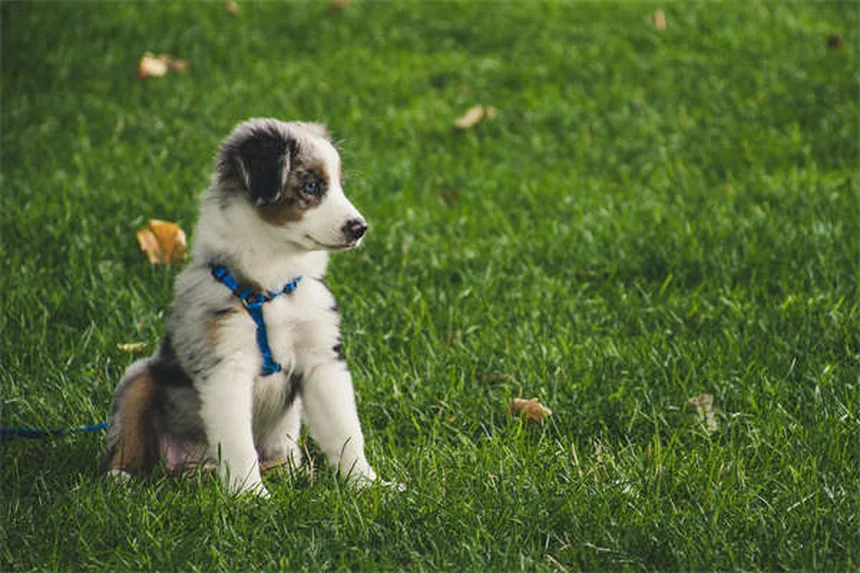 Photos provided by pixabay
The Great Shedding Mystery
Here's the million-dollar question: how much shedding is normal? The truth is, there's no one-size-fits-all answer. A Siberian Husky and a Poodle could leave completely different amounts of hair around your house, and both could be perfectly healthy!
Think of it like this: if your dog's shedding suddenly changes dramatically (like going from minimal to maximum), that's when you might want to call the vet. Otherwise, it's probably just their natural fur cycle doing its thing.
When to Worry About Hair Loss
Now, let me ask you this: have you noticed any bald patches or irritated skin? That's when shedding might be trying to tell you something important. Skin conditions, parasites, or allergies can all cause more hair loss than usual.
Here's a quick checklist of warning signs:
- Red or inflamed skin (not just normal pink skin)
- Excessive scratching or licking
- Circular bald spots (could mean ringworm)
- Dandruff or flaky skin
Winning the Battle Against Dog Hair
Grooming Like a Pro
Let's be real - unless you have a hairless breed, you're going to deal with dog hair. But here's the good news: regular grooming can make a huge difference! Brushing your dog several times a week helps remove loose hair before it ends up on your couch.
Different breeds need different tools. For example:
- Slicker brushes work great for long-haired dogs
- Rubber curry brushes are perfect for short-haired breeds
- Undercoat rakes are lifesavers for double-coated dogs
 Photos provided by pixabay
The Great Shedding Mystery
Want to know my secret weapon against dog hair? Robot vacuums. These little guys work overtime to keep your floors fur-free. But here are some other practical tips:
- Wash dog beds weekly (hair magnet alert!)
- Use lint rollers like they're going out of style
- Invest in furniture covers that match your dog's coat color (sneaky, right?)
The Allergy Connection
When Shedding Meets Sneezing
Did you know that what's coming off your dog might be making you sneeze? It's not actually the hair causing allergies - it's the dander (tiny skin flakes) and saliva. Here's a fun fact: no dog is 100% hypoallergenic, but some breeds shed less dander.
If allergies are a concern in your household, consider these lower-shedding options:
- Poodles (and their cute mixes)
- Portuguese Water Dogs
- Bichon Frises
- Maltese
Managing Allergy-Related Shedding
For dogs with allergies themselves, the shedding can get intense. Common triggers include:
- Certain foods (chicken and beef are frequent culprits)
- Pollen and grass (springtime = itchy time)
- Dust mites (they're everywhere!)
- Fleas (just one bite can cause major irritation)
Seasonal Shedding: Nature's Hair Salon
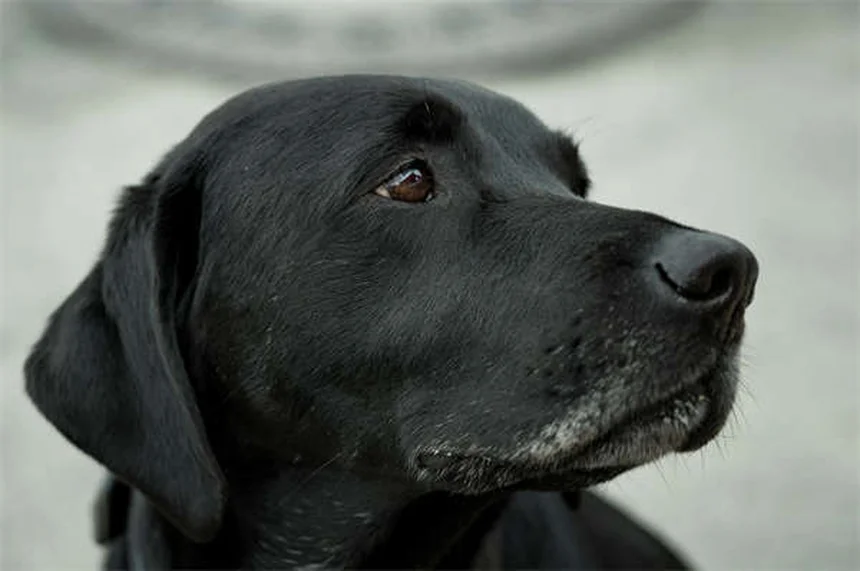 Photos provided by pixabay
The Great Shedding Mystery
Picture this: it's springtime, and your dog is basically exploding with fur. Why? Because they're getting rid of their winter coat! Double-coated breeds like Huskies and Golden Retrievers are especially dramatic about this seasonal wardrobe change.
Here's what happens during these shedding seasons:
- Days get longer in spring = time to ditch the heavy coat
- Temperatures drop in fall = time to grow a cozy winter layer
- The process takes about 2-4 weeks (brace yourself!)
Helping Your Dog Through Shedding Season
During peak shedding times, your dog might need some extra TLC. Here's my game plan:
- Increase brushing to daily sessions
- Consider a de-shedding shampoo (it really helps!)
- Add omega-3 supplements to their diet for skin health
- Stock up on lint rollers (seriously, buy in bulk)
When to Call the Vet About Shedding
Red Flags You Shouldn't Ignore
While most shedding is normal, sometimes it's a sign something's wrong. Here are situations when you should definitely make that vet appointment:
- Your dog is scratching constantly (like can't-stop-won't-stop)
- You see bald patches developing
- The skin underneath looks red or irritated
- Shedding is accompanied by other symptoms (lethargy, appetite changes)
What the Vet Might Do
If you do need to visit the vet about shedding issues, here's what you can expect:
- A thorough skin examination (they'll check every inch)
- Possible skin scrapings to check for mites
- Allergy testing if that's suspected
- Blood work to rule out systemic issues
- Recommendations for special shampoos or medications
Final Thoughts on Living With a Shedding Dog
Embracing the Fur Life
Let's face it - if you have a dog, you're going to have dog hair. It'll be on your clothes, in your food, and probably in places you didn't even know existed. But here's the thing: that hair is a small price to pay for all the love and joy our dogs bring us!
With the right tools and knowledge, you can manage the shedding without losing your mind. Regular grooming, good nutrition, and knowing when to seek help will keep both you and your pup happy.
Remember: Shedding Means They're Healthy!
At the end of the day, shedding is a sign your dog's body is working as it should. Their coat is regenerating, protecting their skin, and helping them regulate their temperature. So next time you're vacuuming up yet another pile of fur, just remember - it's all part of the wonderful package deal that is dog ownership!
The Science Behind Dog Shedding
Understanding the Hair Growth Cycle
You might be surprised to learn that dogs have three distinct hair growth phases - just like humans! The anagen phase is when hair actively grows, the catagen phase is a transitional period, and the telogen phase is when hair rests before shedding. But here's the kicker - dogs have a much shorter cycle than we do!
Different breeds have different cycle lengths. For example, Poodles might keep individual hairs for years, while Labrador Retrievers seem to shed their entire coat every other week. This explains why some dogs leave hair everywhere while others barely shed at all.
How Hormones Affect Shedding
Ever notice how pregnant dogs or those who've just had puppies shed like crazy? That's hormones at work! Thyroid hormones play a huge role in hair growth and shedding patterns. When these hormones get out of balance, you'll often see changes in coat quality and shedding amounts.
Here's something fascinating - neutered or spayed dogs typically shed less than intact dogs. The reduction in sex hormones leads to a more stable hair growth cycle. So if you're wondering whether to spay/neuter your pup, coat maintenance could be an unexpected benefit!
Nutrition's Role in Healthy Coats
Essential Nutrients for Less Shedding
What you feed your dog directly impacts how much they shed. Did you know that poor nutrition can increase shedding by up to 30%? That's right - cheap dog food might save you money at the checkout, but you'll pay for it in vacuum cleaner bags!
The most important nutrients for coat health include:
- Omega-3 fatty acids (found in fish oil)
- Biotin (a B vitamin that strengthens hair)
- Zinc (deficiency causes hair loss)
- High-quality protein (hair is made of protein!)
Homemade vs. Commercial Diets
Many pet owners swear by homemade diets for reducing shedding, but is this really better? Let's look at the facts:
| Diet Type | Pros | Cons |
|---|---|---|
| Commercial Kibble | Convenient, balanced nutrition | Quality varies greatly |
| Raw Food | Natural nutrients preserved | Risk of bacterial contamination |
| Home Cooked | Control over ingredients | Hard to balance properly |
The bottom line? Whatever diet you choose, make sure it's complete and balanced. Your dog's coat will thank you!
Environmental Factors You Haven't Considered
How Indoor Climate Affects Shedding
Here's something most dog owners never think about - your home's humidity level impacts shedding! Dry air from heating systems in winter can cause skin irritation and increased shedding. Maintaining 30-50% humidity can help keep your dog's skin hydrated and reduce excessive hair loss.
Other environmental factors include:
- Exposure to cigarette smoke (bad for skin health)
- Hard water (can leave mineral deposits on skin)
- Frequent bathing with harsh shampoos (strips natural oils)
The Surprising Impact of Exercise
You might wonder - what does exercise have to do with shedding? Plenty! Regular physical activity improves circulation, which delivers more nutrients to hair follicles. Dogs that get daily walks and playtime tend to have shinier coats and more regulated shedding patterns.
Think of it this way - when your dog runs around, it's like giving their coat a natural massage. This helps distribute natural oils and stimulates healthy hair growth. So next time your pup begs for a walk, remember you're doing their coat a favor too!
Breed-Specific Shedding Solutions
Dealing With Double-Coated Breeds
If you have a Husky, German Shepherd, or other double-coated breed, you know shedding is next-level. These dogs have a soft undercoat for insulation and a protective topcoat. When they "blow coat" seasonally, it's like a furry explosion in your house!
The secret to managing double coats:
- Use an undercoat rake (regular brushes won't cut it)
- Never shave them (ruins their natural insulation)
- Blow drying after baths helps remove loose hair
- Professional grooming during shedding season is worth every penny
Caring for Curly-Coated Dogs
Poodles, Bichons, and other curly-coated dogs shed differently - their hair gets trapped in the curls instead of falling out. This means less hair on your furniture but more matting potential. Regular professional grooming every 4-6 weeks is essential to prevent painful mats and skin issues.
For curly coats, you'll want:
- Slicker brushes for daily maintenance
- Detangling sprays for stubborn knots
- Regular trims to maintain coat health
- Moisturizing shampoos to prevent dryness
Fun Facts About Dog Hair
Uses for Collected Dog Hair
Instead of throwing away all that brushed-out fur, why not put it to good use? Some creative uses for dog hair include:
- Bird nesting material (birds love soft dog hair!)
- Composting (hair is high in nitrogen)
- Spinning into yarn (yes, people really do this!)
- Oil spill cleanup (hair absorbs oil remarkably well)
Record-Breaking Shedders
Want to feel better about your dog's shedding? Consider these facts:
- The average Golden Retriever sheds about 1/2 pound of hair per week during peak seasons
- Some double-coated breeds can regrow their entire undercoat in just 3 weeks
- A single square inch of dog skin can contain up to 15,000 hairs
- The world record for most hair brushed from a dog in one session is over 2 pounds!
See? Your dog's shedding isn't so bad after all!
E.g. :What's the evolutionary purpose of dogs shedding shitloads of hair ...
FAQs
Q: How much dog shedding is normal?
A: Here's the thing - there's no universal "normal" amount of shedding. What's normal for my Golden Retrievers would be excessive for a Poodle! The key is knowing your dog's baseline. Most dogs shed moderately year-round with heavier periods during seasonal changes (spring and fall). I tell my friends to watch for sudden increases in shedding or visible skin irritation. If your dog's shedding patterns change dramatically or you notice bald spots, that's when to consult your vet. Remember, double-coated breeds like Huskies will always shed more than single-coated dogs - it's in their DNA!
Q: Can stress cause dogs to shed more?
A: Absolutely! Just last month when we moved houses, my normally chill Golden started leaving hair tumbleweeds everywhere. Stress-induced shedding is very real in dogs. Major life changes, vet visits, or even changes in routine can trigger excessive shedding. The good news? This type of shedding usually resolves once the stressor is removed. I've found that using calming supplements (with vet approval) and maintaining routines helps minimize stress shedding. If it persists though, your vet might recommend seeing a veterinary behaviorist - yes, that's actually a specialty!
Q: What dog breeds shed the least?
A: If you're looking for a low-shedding companion, I'd recommend these breeds based on my experience and vet consultations: Poodles (all sizes), Portuguese Water Dogs, Bichon Frises, and Maltese. No dog is 100% hypoallergenic, but these breeds tend to shed less dander (the real allergy culprit). Funny story - my sister got a "hypoallergenic" Labradoodle who still sheds enough to make a small pillow weekly! The truth is, even low-shedding breeds require regular grooming to prevent matting and maintain coat health.
Q: How can I reduce my dog's shedding at home?
A: After years of battling dog hair, here's my battle-tested routine: brush daily during shedding season (I love undercoat rakes for my Goldens), bathe monthly with a de-shedding shampoo, and add omega-3 supplements to their diet. My secret weapon? A robot vacuum that runs daily! For furniture, I keep lint rollers in every room and use washable throws that match my dogs' coat colors (sneaky trick). Most importantly, regular vet check-ups ensure there aren't underlying health issues causing excess shedding. It's not about eliminating shedding - that's impossible - but managing it effectively.
Q: When should I be concerned about my dog's shedding?
A: As someone who's been through this multiple times, here are the red flags that made me call my vet: sudden bald patches, excessive scratching, red/inflamed skin, or shedding accompanied by other symptoms like lethargy. Last year, one of my dogs started losing hair in circular patterns - turned out to be ringworm! Trust your instincts - if your dog's shedding seems abnormal to you, it's worth a vet visit. They might do skin scrapings, allergy tests, or blood work to identify the cause. Remember, early intervention is key for skin conditions and other health issues that manifest through hair loss.