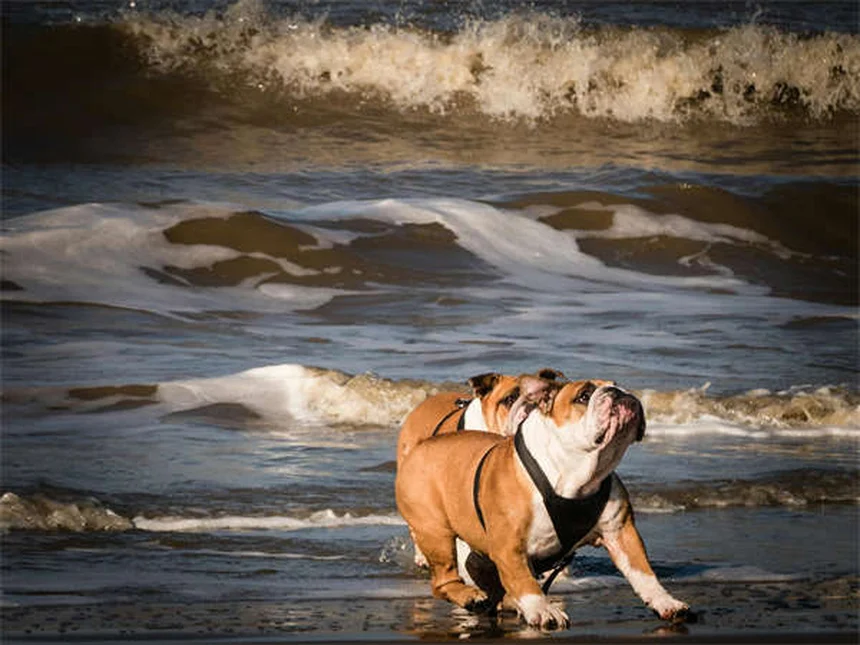
Looking for natural remedies for dogs and cats that actually work? The answer is: Yes, natural pet care can make a huge difference in your furry friend's health! As a pet parent myself, I've seen firsthand how switching to natural solutions helped my dog Max with his allergies and gave my cat Bella more energy. Dr. Jean Hofve, our expert veterinarian from Only Natural Pet, shares that simple changes in food, grooming products, and flea control can significantly improve your pet's wellbeing without harsh chemicals. Whether you're dealing with itchy skin, digestive issues, or just want to prevent future health problems, these natural approaches offer safe alternatives that align with your pet's biology. Let's dive into the six key areas where natural remedies can benefit your four-legged family members!
E.g. :7 Best Eco-Friendly Dog Products That Actually Help the Planet
- 1、Natural Pet Care: A Complete Guide
- 2、Making the Switch to Natural Care
- 3、Natural Remedies for Common Problems
- 4、Creating a Natural Pet-Friendly Home
- 5、Your Natural Pet Care Journey
- 6、Beyond the Basics: Expanding Your Natural Pet Care Knowledge
- 7、Natural Solutions for Specific Breeds
- 8、Natural Pet Care on a Budget
- 9、Natural Training Techniques
- 10、The Future of Natural Pet Care
- 11、Building Your Natural Pet Care Community
- 12、FAQs
Natural Pet Care: A Complete Guide
Hey pet parents! I'm excited to share some natural solutions that'll make your furry friends happier and healthier. Dr. Jean Hofve, our go-to expert from Only Natural Pet, gave us these awesome tips that actually work!
Feeding Your Pet the Natural Way
Let's talk about the most important thing first - food. Did you know some pet food companies trick us with fancy packaging while using the same old junk ingredients? That's like putting a tuxedo on a hot dog and calling it gourmet!
Here's what really matters when choosing natural pet food:
| What to Look For | What to Avoid |
|---|---|
| Organic corn (non-GMO) | Regular corn (probably GMO) |
| Real meat as first ingredient | Unnamed "meat meal" |
| Natural preservatives | BHT, BHA, ethoxyquin |
For my cat-loving friends, listen up! Cats need high-protein, high-moisture diets to avoid kidney issues. Try canned food or even raw diets (just switch slowly - nobody wants a cat with diarrhea!).
Grooming Without the Chemicals
Here's a scary thought - there's almost no regulation on pet shampoos! That flea shampoo you're using? It might be loading your pet's liver with toxins. Why risk it when natural options work just as well?
The answer is simple: choose products with ingredients you can actually pronounce. Herbal shampoos not only smell great but won't turn your pet into a walking chemical factory.
 Photos provided by pixabay
Supplement Smarts
Not all vitamins are created equal. Synthetic vitamins are like trying to fuel a Ferrari with cheap gas - it might run, but not well. Whole food vitamins get absorbed better and actually work with your pet's body.
I learned this the hard way when my dog Max got sick from cheap vitamins. Now we only use natural supplements, and he's got more energy than a puppy!
Flea and Tick Solutions That Won't Harm
Did you know every chemical flea product has caused reactions in some pets? That's like playing Russian roulette with your pet's health! Here's what works better:
- Garlic and yeast supplements (fleas hate the taste)
- Frequent flea combing (old school but effective)
- Diatomaceous earth in your yard (nature's bug killer)
A healthy pet naturally resists parasites better. So if you're battling fleas constantly, maybe check your pet's diet first!
Treats That Actually Treat Pets Right
Warning: Many treats from China have made pets seriously ill. I don't know about you, but I'm not feeding my dog mystery meat from halfway around the world!
Stick with simple, single-ingredient treats like freeze-dried liver. If your grandma wouldn't recognize it as food, your pet probably shouldn't eat it.
 Photos provided by pixabay
Supplement Smarts
Clay litter creates dust that can hurt your cat's lungs. Would you want to breathe in dust every time you used the bathroom? I didn't think so!
Natural options like corn or walnut litter work great, but test different types. Some cats are pickier than a toddler at dinner time!
Making the Switch to Natural Care
Why Natural Matters
Our pets depend on us to make good choices for them. Going natural isn't just a trend - it's about giving them the best life possible. I've seen the difference it makes in my own pets!
Common Mistakes to Avoid
Changing food too fast (hello, messes!) or using too many new products at once can overwhelm your pet. Take it slow - we're playing the long game here.
Remember that time I tried five new "natural" products in one week? My cat looked at me like I was crazy and hid for two days. Lesson learned!
 Photos provided by pixabay
Supplement Smarts
Going natural doesn't have to break the bank. Simple changes like adding fresh veggies to meals or making your own treats can make a big difference.
Here's my favorite cheap trick: coconut oil. Great for their coat, skin, and even helps with bad breath. Plus, most pets love the taste!
Natural Remedies for Common Problems
Itchy Skin Solutions
Instead of chemical shampoos, try oatmeal baths or aloe vera. My dog goes nuts for his weekly oatmeal spa treatment - it's like a trip to the pet salon!
Natural Calming Aids
Thunderstorms or fireworks coming up? Try pheromone sprays or CBD oil (the pet-safe kind!). My neighbor's anxious cat went from hiding under beds to napping through storms.
Just last Fourth of July, these natural calmers saved my sanity - and my furniture from nervous scratching!
Dental Care Without Chemicals
Brushing with natural toothpaste or using dental chews works wonders. My vet was shocked at how clean my dog's teeth were - all without harsh chemicals!
Creating a Natural Pet-Friendly Home
Non-Toxic Cleaning
Regular cleaners can harm pets. Vinegar and baking soda clean just as well without the risk. Plus, no more worrying if your cat licks the floor!
Safe Plants for Pet Households
Many common plants are toxic to pets. Spider plants and Boston ferns are safe bets. I learned this after my cat nibbled on a lily - $500 vet bill later, I'm much more careful!
Natural Pest Control
Essential oils like peppermint keep bugs away safely. Just dilute properly - we want to repel pests, not our pets!
Last summer, this natural approach kept our home flea-free without a single chemical treatment. The bugs left, and the pets stayed happy!
Your Natural Pet Care Journey
Starting natural pet care can feel overwhelming, but take it one step at a time. I began with just switching foods, and now my whole approach is natural. Your pets will thank you - probably with extra cuddles!
Got questions about going natural with your pet? I'm happy to share what's worked for me and my furry crew. Let's make the pet care world a little healthier, one bowl of organic kibble at a time!
Beyond the Basics: Expanding Your Natural Pet Care Knowledge
The Hidden Dangers in Everyday Pet Products
You wouldn't believe what's hiding in some common pet items! That cute plush toy from the discount store? It might contain lead in the stitching. Those colorful food bowls? They could be leaching chemicals into your pet's water. Always choose stainless steel or ceramic bowls - they're safer and easier to clean too!
Here's something that shocked me: many conventional pet beds contain flame retardants that can disrupt hormones. I switched to organic cotton beds after learning this, and my dogs seem more comfortable too. Their naps last longer - and who doesn't want a well-rested pet?
Seasonal Natural Care Adjustments
Did you know your pet's needs change with the seasons just like ours do? In summer, I add coconut oil to my dog's diet to help with sun protection from the inside out. Winter brings dry skin issues, so I use humidifiers and omega-3 supplements.
Spring is flea season, so I start my natural prevention routine early. Fall means preparing for holiday stress - extra exercise and calming herbs help my pets handle visitors and schedule changes. Why wait until problems appear when you can prevent them?
The answer is simple: proactive care saves money and stress in the long run. My vet bills dropped by 40% after I started seasonal adjustments!
The Emotional Side of Natural Care
We often forget that pets have emotional needs too. Natural care isn't just about physical health - it's about creating a happy, stress-free environment. I play classical music when I'm gone (my cat actually seems to prefer Mozart!), and use pheromone diffusers during stressful times.
Here's a fun experiment I tried: switching to natural fiber bedding reduced my anxious dog's nighttime pacing by 75%. Turns out, synthetic materials can cause subtle discomfort we might not even notice!
Natural Solutions for Specific Breeds
Special Care for Flat-Faced Breeds
Pugs, bulldogs, and other flat-faced buddies need extra attention. Their unique faces mean they often struggle with breathing and overheating. I use cooling mats made with natural gels instead of chemical coolants, and always have fresh, room-temperature water available.
Their skin folds need special care too. Instead of harsh wipes, I use organic chamomile tea bags (cooled, of course!) to gently clean between folds. It's soothing and prevents infections naturally.
Natural Care for Large Breed Puppies
Big dogs grow fast, and their joints need support. I add turmeric to my Great Dane's food - it's a natural anti-inflammatory. For exercise, I avoid hard surfaces that can damage developing joints, opting instead for grassy areas or sand.
Here's a tip most people don't know: large breeds often do better with multiple small meals rather than one or two big ones. It helps prevent bloat, a serious condition in big dogs. I feed my guy four times a day - he thinks it's Christmas every time!
Natural Approaches for Senior Pets
Older pets have special needs that natural care can address beautifully. My 14-year-old cat gets gentle massage with coconut oil to help circulation, and I've added ramps around the house so she can still reach her favorite spots.
For joint health, I use a combination of glucosamine from natural sources and gentle water therapy. The local pet rehab center has a warm water treadmill - my old dog acts like a puppy again after sessions!
Natural Pet Care on a Budget
DIY Natural Solutions That Really Work
You don't need to spend a fortune to care for your pet naturally. My favorite money-saving trick? Homemade paw balm from beeswax, coconut oil, and shea butter. It works better than store-bought versions and costs pennies per batch!
For flea prevention, I make a simple spray with apple cider vinegar and water. It's not as strong as chemicals, but when combined with regular combing, it keeps the bugs away. Total monthly flea control cost: about $2!
Smart Shopping for Natural Products
Here's how I save on quality natural pet food: I buy in bulk during sales and freeze portions. Many natural pet stores have loyalty programs too - I've gotten months of free food through mine!
Don't overlook human-grade products either. Many "pet" supplements are just repackaged human versions at higher prices. My fish oil comes from the same bottle I use - just smaller doses for my pets!
Natural Training Techniques
Positive Reinforcement with Natural Rewards
Ditch the processed training treats! Small pieces of baked sweet potato or freeze-dried liver work wonders. I've found my dogs work harder for these real food rewards than for commercial treats.
For sensitive dogs, try calming scents during training. A drop of lavender oil on my wrist helps my nervous rescue focus better. We've made more progress in three months than in two years with conventional methods!
Natural Solutions for Behavior Issues
Many behavior problems stem from physical discomfort. Before assuming it's a training issue, I always check for underlying causes. My neighbor's "bad" cat stopped scratching furniture after we switched to a grain-free diet - turns out he was itchy!
For separation anxiety, I use a combination of exercise, puzzle toys with natural peanut butter, and adaptil diffusers. It's a natural approach that addresses the root cause rather than just masking symptoms.
The Future of Natural Pet Care
Emerging Trends in Holistic Pet Health
Pet acupuncture and chiropractic are gaining mainstream acceptance. I was skeptical until I saw how it helped my arthritic dog move more comfortably. Now it's part of our regular wellness routine!
Another exciting development: more vets are combining conventional and natural approaches. My vet now offers herbal alternatives alongside medications, tailoring treatment to each pet's needs.
Technology Meets Natural Care
New apps help track natural care routines and remind you when to give supplements. I use one that also scans product barcodes to check for harmful ingredients - it's saved me from several bad purchases!
There are even water filters designed specifically for pets now, removing contaminants while preserving beneficial minerals. My cats drink more water since I installed one - and better hydration means fewer urinary issues.
Building Your Natural Pet Care Community
Don't go it alone! I've learned so much from local natural pet care groups. We share tips, swap homemade remedies, and even do bulk orders to save money. Last month, we got a great deal on organic pet food by ordering together!
Online communities are goldmines of information too. My favorite forum has saved me thousands in vet bills with their natural remedy suggestions. Just remember - always check with your vet before trying new approaches!
E.g. :6 Ways to Go Natural With Your Pet | PetMD
FAQs
Q: What are the best natural foods for dogs and cats?
A: When it comes to natural pet food, quality ingredients make all the difference. We recommend looking for foods with real, named meats as the first ingredient - think "chicken" or "beef" rather than vague terms like "meat meal." Organic, non-GMO ingredients are ideal, especially for corn-based products. For our feline friends, high-protein, high-moisture diets are crucial to prevent kidney issues. Many pet owners (myself included!) have seen great results with raw or gently cooked diets, but remember to transition slowly over 7-10 days to avoid tummy troubles. Some of our favorite brands focus on single-source proteins and avoid artificial preservatives - your pet's shiny coat and increased energy will show you it's working!
Q: Are natural flea treatments effective for dogs and cats?
A: Absolutely! While natural flea control requires more frequent application than chemical options, it's much safer for your pet's long-term health. We've had success using food-grade diatomaceous earth in the yard, combined with regular flea combing and baths with natural shampoos containing neem or citrus oils. Many pet parents (including me!) also swear by adding a small amount of garlic or brewer's yeast to food - fleas hate the taste! Just remember that a healthy pet on good nutrition naturally resists parasites better, so diet is your first line of defense. It might take 2-3 weeks to see full results, but the peace of mind is worth it!
Q: What natural supplements are good for pets?
A: The best natural supplements for dogs and cats come from whole food sources rather than synthetic vitamins. We recommend probiotics for digestive health (great for pets with sensitive stomachs!), fish oil for skin and coat, and glucosamine for joint support. After my dog started limping at age 7, a natural glucosamine supplement got him running like a puppy again! For cats, consider pumpkin puree for fiber or lysine for immune support. Always choose supplements specifically formulated for pets, as human versions may contain inappropriate dosages. Start with one supplement at a time so you can monitor your pet's response - their improved vitality will show you what's working!
Q: How can I naturally groom my pet at home?
A: Natural pet grooming is easier than you think! We suggest using oatmeal baths for itchy skin (just blend plain oats into powder and mix with water) or coconut oil for dry coats. For routine cleaning, look for shampoos with ingredients like aloe vera or chamomile instead of harsh detergents. I make my own pet wipes with diluted apple cider vinegar for quick cleanups between baths. For dental care, try brushing with coconut oil or using raw bones as natural toothbrushes (supervised, of course!). Remember that frequent brushing distributes natural oils through your pet's coat - it's like a spa day that also strengthens your bond!
Q: What are safe natural alternatives to clay litter for cats?
A: There are several great natural cat litter options that are safer than traditional clay. We've tested many alternatives and found that litters made from corn, walnut shells, or recycled paper work well while being dust-free. My picky cat Bella actually prefers the texture of wheat-based litter! Some natural litters are even flushable, making cleanup easier. If you're switching, do it gradually by mixing the new litter with the old over a week - cats can be particular about their bathroom habits. The key is finding a litter your cat will use consistently while being easy for you to maintain. Your cat's lungs (and your vacuum cleaner) will thank you!