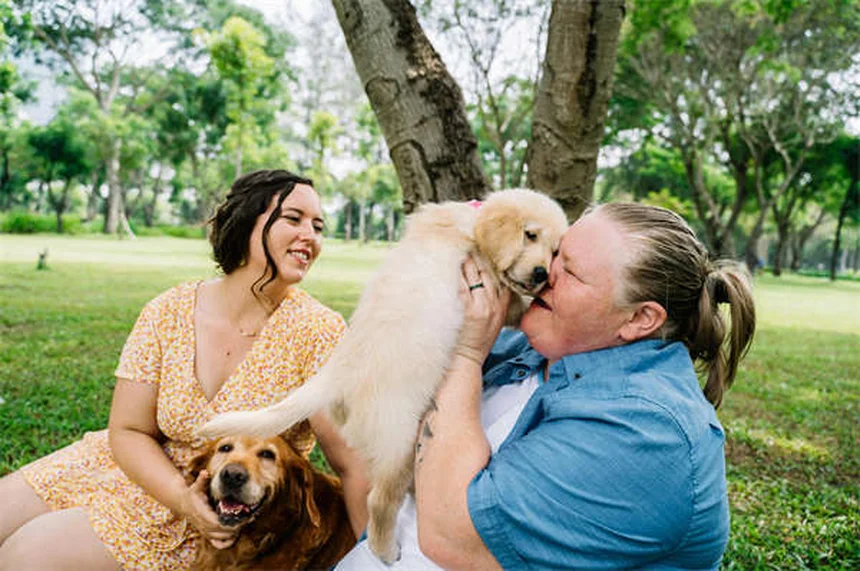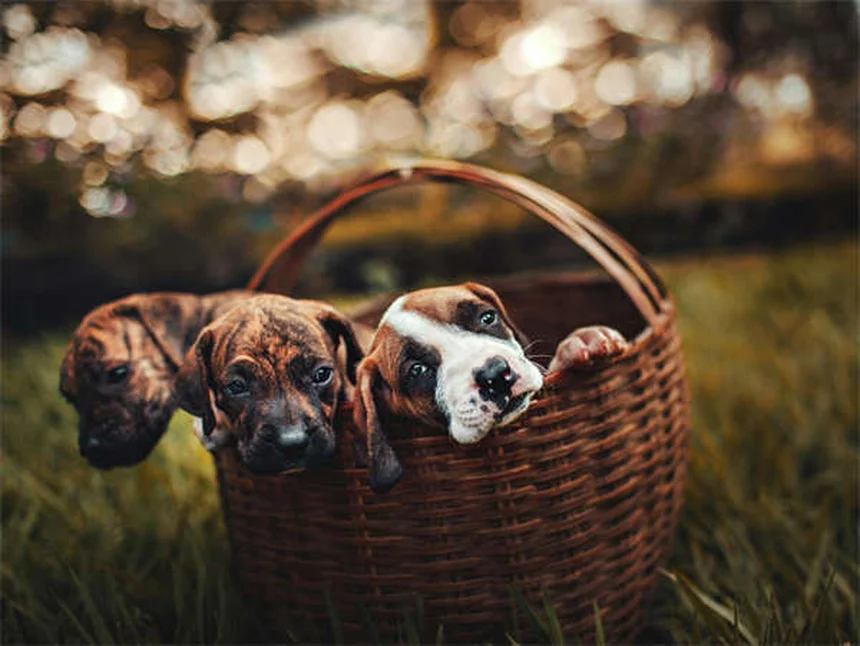
Why does my dog keep pawing at me? The answer is simple: your dog is trying to communicate with you! Dogs use their paws much like we use our hands - to get attention, express needs, or even show affection. From my years working with dogs, I've found that pawing is one of their most versatile communication tools. That gentle tap on your leg could mean anything from I'm hungry to I love you - and sometimes even I'm feeling stressed.We've all been there - you're relaxing on the couch when suddenly you feel that familiar pressure of a furry paw. While it might seem like just another cute dog behavior, there's actually a whole language behind those paw taps. In this article, we'll break down exactly what your pup is trying to tell you and how to respond appropriately. Trust me, once you understand the meaning behind the pawing, you'll never look at those puppy eyes the same way again!
E.g. :Dog Pregnancy: Safe Medications & Care Tips for Expecting Dogs
- 1、Why Does My Dog Keep Putting Their Paw on Me?
- 2、More Than Just Basic Needs
- 3、Smart Solutions for Paw-happy Pups
- 4、Paw-some Final Thoughts
- 5、The Science Behind Those Paw Gestures
- 6、Cultural Differences in Paw Communication
- 7、Teaching Alternative Communication Methods
- 8、The Emotional Impact of Paw Contact
- 9、When Pawing Becomes a Problem
- 10、FAQs
Why Does My Dog Keep Putting Their Paw on Me?
Ever been sitting on the couch when suddenly - bam! - there's a furry paw smacking your leg? Dogs use their paws like we use our hands - to tap, pat, push, and even give little love punches. But what's really going on in that fuzzy head of theirs?
The Pawing Instinct: From Puppies to Adults
Picture this: a newborn puppy blindly pawing at mom for milk. That's where it all begins! Pawing is hardwired into dogs from birth, but here's the funny part - they quickly learn we humans respond to it way more than other dogs do.
Think about it - when was the last time you ignored those big puppy eyes and the gentle tap-tap-tap on your knee? Exactly! We've basically trained our dogs that pawing works better than barking to get our attention. It's like they've discovered our secret "off" button!
| Puppy Pawing | Adult Dog Pawing |
|---|---|
| Instinctive (for milk) | Learned communication |
| Random movements | Targeted requests |
| All about survival | All about getting what they want! |
Decoding the Paw Language
Not all paw touches mean the same thing. Your dog's body language is like a secret code - are their ears perked up? Tail wagging? Or are they looking tense? Here's how to crack the canine code:
"Hey You! Look at Me!" (Attention Seeking)
Ever notice how your dog becomes a furry stage performer when you're on the phone? They might:
- Stare intensely (like they're trying to beam thoughts into your brain)
- Circle around like they're preparing for takeoff
- Give that classic paw-to-lap maneuver
Here's a funny thought - when we say "no" but then give in, we're basically teaching them that persistence pays off! It's like when a toddler asks "why?" for the hundredth time. Instead, try catching those pre-paw moments. See them eyeing their leash? Ask for a "sit" before they can lift that paw!
"Nature is Calling!" (Potty Time)
Did you know dogs often develop their own "I gotta go" dance? Some might:
- Pace near the door
- Whine softly
- Give you "the look" (you know the one)
Here's a pro tip: teach them to sit by the door instead of pawing at you. It's way classier than getting whacked with a soggy paw when you're in the middle of cooking dinner!
More Than Just Basic Needs
But wait - there's more! Pawing isn't just about food and potty breaks. Sometimes it's about those deep emotional connections.
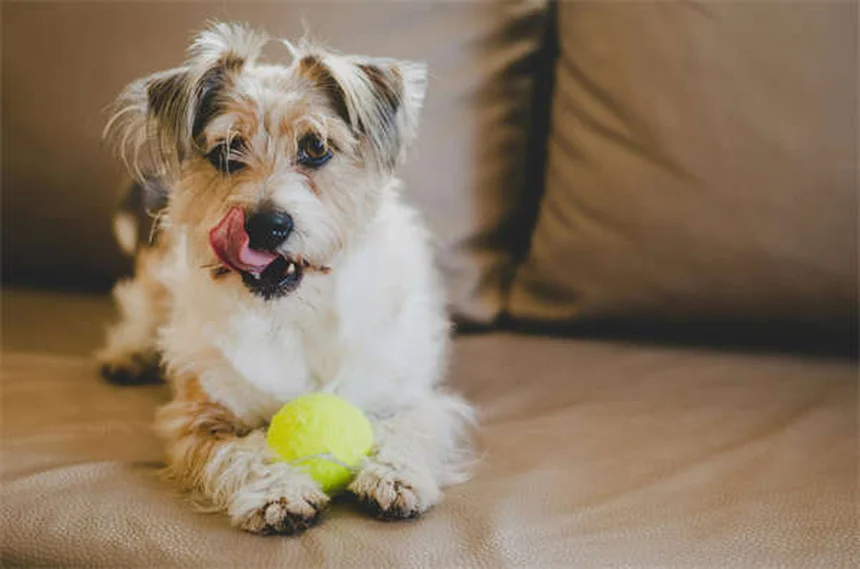 Photos provided by pixabay
The Love Connection
When your dog gently rests their paw on you while you're petting them, that's the canine version of holding hands. Science alert! Their brains release the same love chemicals (oxytocin) as ours do when we hug someone special.
Fun experiment: next time they do this, watch their eyes. Many dogs will get this soft, dreamy look - like they're thinking "this is the life!"
"I'm Stressed Out Here!" (Anxiety Signals)
Now here's where we need to pay close attention. A nervous paw is different from an attention-seeking one. Watch for:
- Paws lifted but not touching (like they're walking on hot sand)
- Pushing against you (their version of "personal space, please!")
- Combined with whale eye (when you see the whites of their eyes)
Did you know that recognizing these signs early can prevent more serious stress behaviors? It's like catching a yawn - the first sign they might need a break.
Smart Solutions for Paw-happy Pups
So what's a loving dog parent to do when those paws won't quit? Let's get creative!
Channel That Paw Energy
Some dogs just love using their paws - and that's okay! Try these fun alternatives:
- Puzzle toys: Stuff a Kong with peanut butter and freeze it - instant paw-focused activity!
- Talk buttons: These are like canine keyboards - paw the "outside" button to go out
- Digging boxes: Fill a kiddie pool with balls for safe paw play
Here's a funny thought - we spend thousands of years domesticating dogs, and now we're buying them talking buttons! What will they think of next?
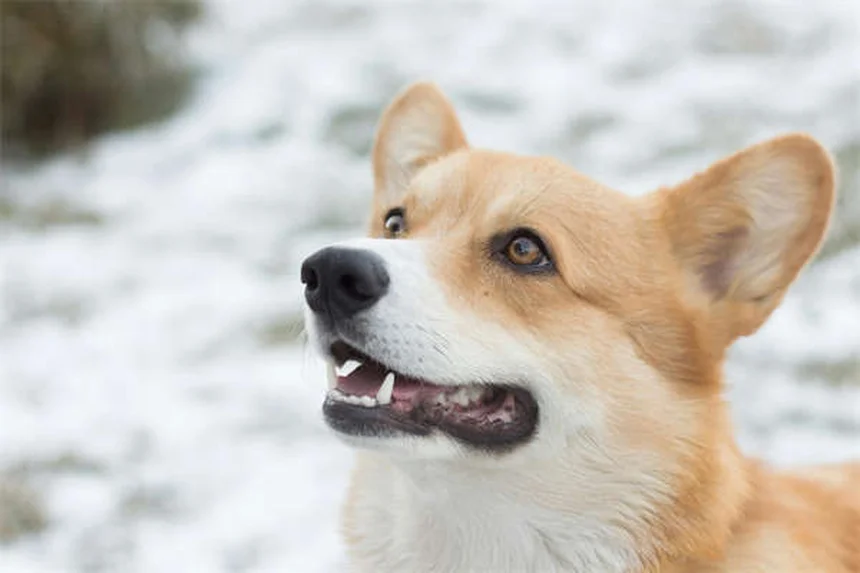 Photos provided by pixabay
The Love Connection
Remember that time your dog pawed at you right before they threw up? Yeah, sometimes pawing is their way of saying "something's not right." Always consider:
- Timing (sudden new pawing behavior?)
- Intensity (gentle tap vs. frantic scratching)
- Other symptoms (licking lips, shaking, etc.)
When in doubt, your vet is your best resource. After all, wouldn't you want someone to notice if you were trying to say you didn't feel well?
Paw-some Final Thoughts
At the end of the day, those furry paws tapping at you are really just your dog's way of having a conversation. Whether they're saying "I love you," "Feed me," or "Let's play," each touch is their special language.
The coolest part? The more you tune in to these paw messages, the deeper your bond becomes. It's like learning to speak "dog" - one paw tap at a time!
So next time you feel that familiar pressure on your leg, take a second to really look at your pup. What are they trying to tell you? Because in the world of dog communication, sometimes actions really do speak louder than barks!
The Science Behind Those Paw Gestures
You know that warm feeling when your dog rests their paw on your lap? Turns out there's actual neuroscience behind it! Dogs release oxytocin - the same "love hormone" humans get from hugs - when they make physical contact with their favorite people. Isn't that amazing?
How Dogs Develop Their Unique Paw Styles
Ever notice how every dog has their own signature paw move? Some do the gentle tap-dance, others go for the full-on bear paw slam. Researchers believe this develops through trial and error during puppyhood.
Take my neighbor's golden retriever, Max. As a pup, he discovered that light paw taps got ignored, but a dramatic flop of his entire front leg made everyone laugh and pet him. Now at 5 years old, he's perfected this hilarious over-the-top paw presentation that always gets results!
The Surprising Connection Between Paws and Doggy IQ
Here's something you might not know - dogs who use their paws frequently often score higher on canine intelligence tests! Why? Because it shows they understand cause-and-effect relationships.
Think about it: when your dog paws at their food bowl and you fill it, they're making the connection between action and result. That's pretty smart! Some breeds like border collies and poodles are especially good at this type of problem-solving.
| Breed | Paw Usage Frequency | Problem-Solving Skills |
|---|---|---|
| Border Collie | High | Excellent |
| Labrador | Medium | Good |
| Bulldog | Low | Fair |
Cultural Differences in Paw Communication
Would you believe that dogs in different countries develop slightly different paw communication styles? It's true! Just like human languages vary across cultures, so do dog behaviors.
 Photos provided by pixabay
The Love Connection
Urban dogs tend to be more subtle with their pawing - probably because they learn that excessive pawing gets them in trouble in small apartments. Meanwhile, country dogs often develop more dramatic paw gestures since they have more space to express themselves.
I noticed this when my cousin moved her city-slicker pug to a farm. Within weeks, Buddy went from delicate toe-taps to full-on paw slaps that would make a WWE wrestler proud!
International Paw Etiquette
In Japan, many dogs are trained to use gentle paw touches rather than barking. Some European breeds are famous for their "polite paw" - lifting it slightly rather than making contact. Isn't it fascinating how environment shapes these behaviors?
Next time you're at the dog park, watch how different dogs use their paws. You'll start noticing these subtle cultural differences everywhere!
Teaching Alternative Communication Methods
While pawing is natural, sometimes we need to redirect it - especially with those enthusiastic paw-slammer dogs! Here are some creative solutions that actually strengthen your bond.
The Magic of Training Bells
Hanging bells by the door is one of the most effective ways to redirect potty-related pawing. The secret? Consistency and timing. Ring the bells yourself every time you take them out, and soon they'll make the connection.
Pro tip: Start with jingle bells from the craft store before investing in fancy dog bells. That way you can test if your dog responds to the sound without breaking the bank!
Button Communication Systems
You've probably seen those viral videos of dogs using word buttons. Did you know you can start with just three basic buttons: "outside," "play," and "food"? Place them on a sturdy board and model the behavior by pressing them before doing each activity.
Here's the funny part - some dogs get so into button communication that they start making up their own combinations! My friend's corgi somehow created the sequence "play-food-play" which we think means "let's have a picnic!"
The Emotional Impact of Paw Contact
Ever wonder why that little paw on your knee makes you feel so good? There's deep psychology at work here that benefits both you and your dog.
Oxytocin: The Love Hormone Connection
When your dog makes gentle paw contact, both of your brains release oxytocin. This creates a beautiful feedback loop of affection. It's nature's way of strengthening the human-canine bond that's existed for thousands of years.
Here's a cool fact: service dogs often use targeted paw touches to interrupt anxiety attacks in their humans. The physical contact helps regulate heart rate and breathing. How amazing is that?
Paw Contact as Emotional Regulation
Many dogs instinctively use paw touches to calm themselves during stressful situations. You might notice your dog placing a paw on you during thunderstorms or fireworks. They're not just seeking comfort - they're also self-soothing through contact.
Next time this happens, try placing your hand gently over their paw. You'll often feel them relax almost immediately. It's like a secret handshake between best friends!
When Pawing Becomes a Problem
While most pawing is normal, sometimes it can indicate underlying issues that need attention. Here's how to spot the difference between cute communication and potential problems.
Compulsive Pawing Behaviors
Does your dog paw at surfaces even when you're not around? Excessive, repetitive pawing could signal anxiety or OCD-like behaviors. Look for these red flags:
- Pawing at the same spot for minutes at a time
- Pawing that continues even when the dog is exhausted
- Pawing that causes injury to their pads
If you notice these signs, don't panic! A vet or animal behaviorist can help identify the cause and create a treatment plan. Remember - you're not alone in this!
Pain-Related Pawing
Sudden changes in pawing behavior can sometimes indicate physical discomfort. Maybe they're favoring one paw, or their usual gentle taps have become rough swipes. Always check between their toes for thorns or cuts, and feel their legs gently for any signs of tenderness.
Here's a pro tip: If your dog suddenly starts pawing at their face or ears, it might signal an ear infection or dental issue. Better safe than sorry - schedule a vet visit!
E.g. :My goldie puts his paw on me when I pet him. He does this every ...
FAQs
Q: Why does my dog paw at me when I stop petting them?
A: When your dog paws at you during petting sessions, they're basically saying "Hey, don't stop!" This is their way of asking for more affection. Dogs release feel-good hormones like oxytocin when being petted, similar to how we feel when hugging someone we love. The pawing is their attempt to continue that positive experience. I always tell my clients - if your dog does this, they're giving you a compliment! They enjoy your touch so much they're willing to physically ask for more. Just be aware that consistently giving in can teach them to demand attention, so sometimes it's good to set gentle boundaries.
Q: Is it bad to let my dog paw at me for attention?
A: This depends on your personal preference and your dog's behavior. While occasional pawing is normal communication, excessive demand pawing can become problematic. From my experience, dogs that learn pawing always gets results may start doing it constantly. I recommend teaching an alternative behavior like "sit" before giving attention. That said, if you don't mind the pawing and it's not excessive, there's no harm in enjoying this sweet form of communication. Just remember - you're the one who gets to decide what behaviors you reinforce!
Q: Why does my dog paw at my face?
A: Face pawing is often a more intense version of regular pawing behavior. Your dog might do this because they're extremely excited, want urgent attention, or are trying to initiate play. However, it's important to watch their body language - some dogs paw at faces when feeling anxious. I've worked with many clients whose dogs developed this habit as puppies and never grew out of it. If the face pawing bothers you, redirect them to a toy or teach them to keep paws on the ground for treats. Safety note: Always supervise children with face-pawing dogs to prevent accidental scratches.
Q: Should I be concerned if my dog suddenly starts pawing more?
A: Yes, sudden behavior changes always warrant attention. In my professional opinion, a dramatic increase in pawing could indicate several things: discomfort/pain (they might be trying to show you where it hurts), increased anxiety, or even cognitive changes in older dogs. I recommend checking for other symptoms like limping, appetite changes, or unusual vocalizations. When in doubt, schedule a vet visit - it's always better to be safe than sorry when it comes to our furry friends' health.
Q: How can I teach my dog to stop pawing at me?
A: The most effective method I've found is the "ignore and redirect" approach. First, completely ignore the pawing (no eye contact, no talking). The moment they stop, immediately reward them with attention or a treat. You can also teach an incompatible behavior like "sit" or "down" that makes pawing physically impossible. I suggest keeping training sessions short and fun - maybe 5 minutes several times a day. Remember, consistency is key! It might take a few weeks, but most dogs learn quickly when we're clear about what we want from them.