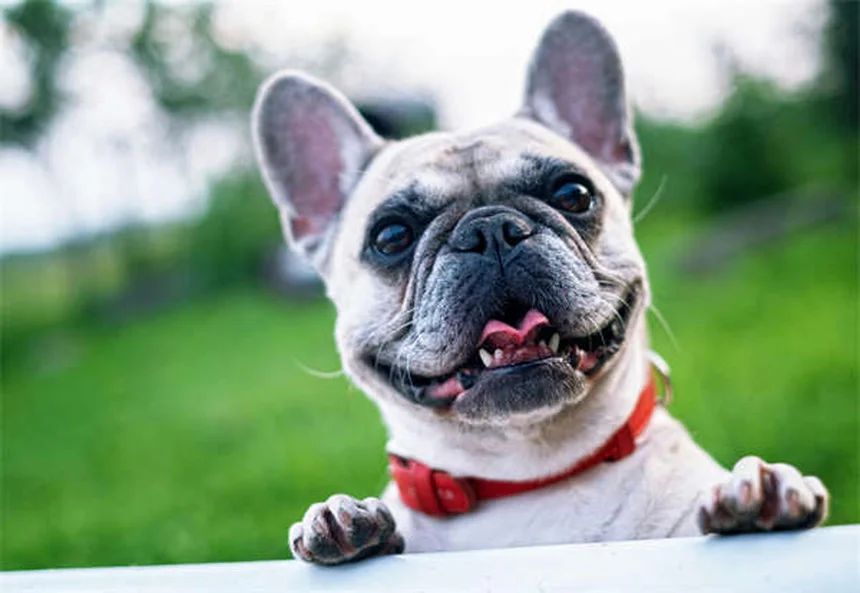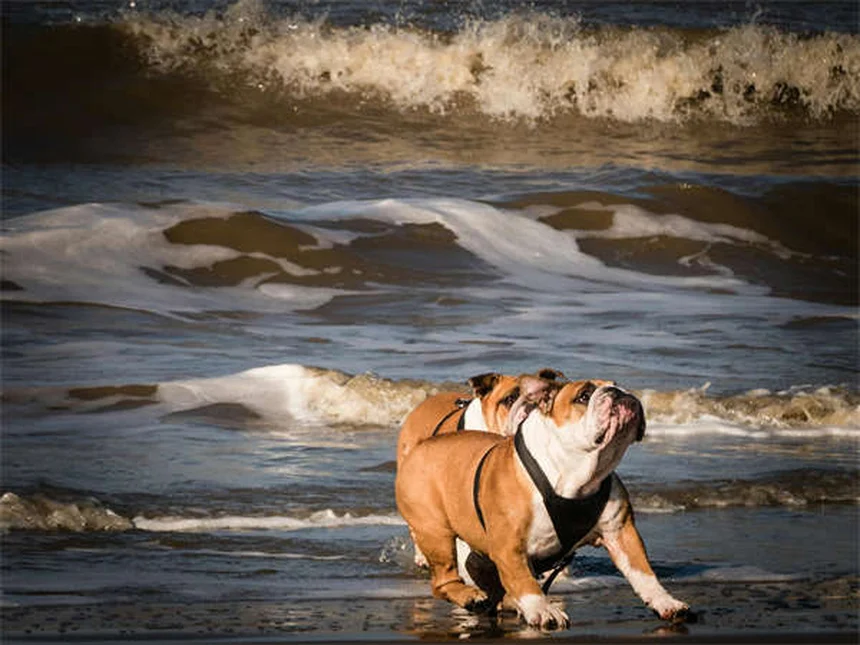
Worried about your dog's back health? The answer is simple: back problems in dogs are more common than you think, but completely preventable with the right care. As a vet tech with 15 years experience, I've seen how back issues can sneak up on even the healthiest pups. Your dog's spine is their movement headquarters - when it's hurting, everything from walking to playing becomes a struggle. The good news? Most canine back problems respond well to early treatment, and many can be avoided altogether. Let me walk you through what every dog owner should know about keeping that tail wagging pain-free!
E.g. :5 Must-Know Dog Toy Safety Tips Every Pet Owner Needs
- 1、Common Back Problems in Dogs
- 2、Top 5 Back Issues in Dogs
- 3、Spotting Trouble Early
- 4、Treatment Options That Work
- 5、Keeping That Tail Wagging
- 6、Beyond the Basics: Understanding Canine Spinal Anatomy
- 7、The Hidden Dangers We Often Miss
- 8、Innovative Therapies Changing the Game
- 9、Your Dog's Back Through the Years
- 10、Myth-Busting Common Misconceptions
- 11、Creating a Back-Friendly Home
- 12、FAQs
Common Back Problems in Dogs
Hey there fellow dog lovers! Let's talk about something we often overlook - our furry friends' backs. Did you know your dog's spine is like the superhighway connecting all their movements? Whether they're chasing squirrels or just getting up from a nap, that back is working hard!
Why Your Dog's Back Matters So Much
Picture this: your dog's body is like a well-designed suspension bridge. The front and rear legs are the towers, but the back? That's the crucial span holding everything together. When that bridge gets damaged, everything from walking to playing fetch becomes a challenge.
I've seen too many cases where owners don't realize how back problems sneak up on dogs. Take my neighbor's Labrador, Max. One day he's jumping for tennis balls, the next he's struggling to climb stairs. That's why we need to be proactive about spinal health!
Prevention: Your First Line of Defense
You know what they say - "An ounce of prevention is worth a pound of cure" - and this couldn't be truer for canine backs. Here's the golden rule: keep them moving and keep them lean.
Let me break it down simply: excess weight puts unnecessary stress on joints and vertebrae. Imagine carrying a backpack filled with bricks all day - that's what obesity does to your dog's spine. Regular exercise maintains muscle tone and flexibility, acting like a natural support system for their backbone.
| Activity | Benefits for Back Health |
|---|---|
| Daily Walks | Maintains flexibility and circulation |
| Swimming | Low-impact exercise that strengthens back muscles |
| Puzzle Toys | Encourages movement without high impact |
Top 5 Back Issues in Dogs
 Photos provided by pixabay
1. Intervertebral Disc Disease (IVDD)
Ever heard of a slipped disc? That's IVDD in dogs. The cushioning discs between vertebrae bulge or rupture, pressing on nerves. Dachshunds and other long-backed breeds are especially prone, but any dog can develop this painful condition.
How would you know if your dog has IVDD? Watch for these signs: reluctance to jump, yelping when touched, or even dragging their back legs. Early detection is crucial - I've seen cases where prompt treatment made all the difference between full recovery and permanent damage.
2. Arthritis of the Spine
Think arthritis only affects hips and knees? Think again! Spinal arthritis creeps up slowly, making movement increasingly painful. Older dogs are most at risk, but I've treated young pups with early-onset cases too.
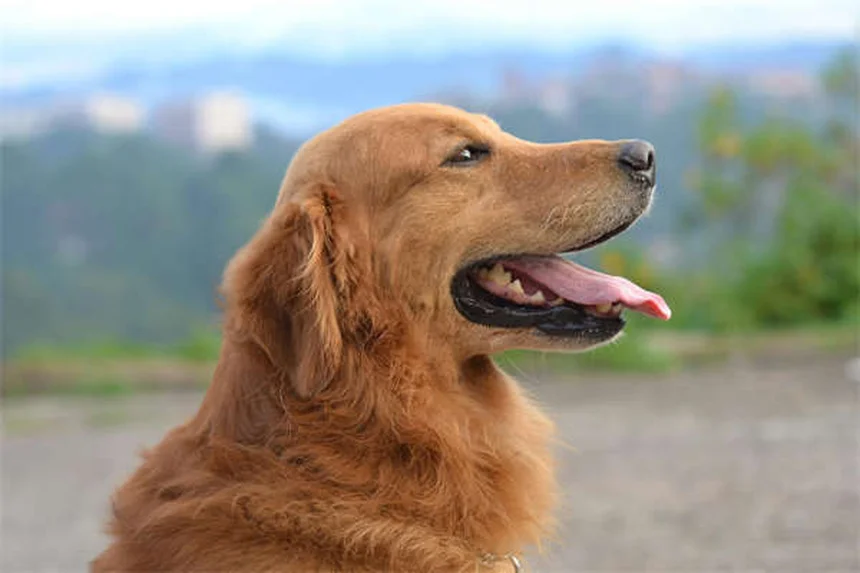
Here's a simple test: does your dog hesitate before climbing stairs or jumping into the car? That might be more than just laziness. Anti-inflammatory medications, weight management, and gentle exercise can work wonders. My golden retriever mix, Buddy, responded amazingly to hydrotherapy when he developed spinal arthritis at 8.
3. Traumatic Injuries
Accidents happen - and when they do, backs often take the hit. From car accidents to bad falls, trauma can cause fractures, dislocations, or nerve damage. Prevention is key: use harnesses instead of neck collars, and supervise high-energy play.
Remember that viral video of the dog jumping off the dock? While entertaining, those high-impact landings can spell trouble. I always recommend ramps for cars and pools to reduce spinal stress. Your dog's back will thank you!
 Photos provided by pixabay
1. Intervertebral Disc Disease (IVDD)
This progressive disease attacks the spinal cord, gradually causing paralysis. German Shepherds and Boxers are particularly susceptible, but any breed can be affected. The first signs? Your dog might start scuffing their back paws or have trouble getting up.
While there's no cure yet, physical therapy and special equipment can maintain quality of life. I worked with a wheelchair-bound Shepherd named Duke who continued happily chasing balls for years after diagnosis!
5. Muscle Strains and Sprains
Even athletes pull muscles - and our dogs are no different! Overexertion during play or awkward movements can strain back muscles. The good news? Most heal with rest and anti-inflammatories.
Ever seen your dog do that "play bow" stretch? That's actually great for their back muscles! Regular stretching and massage can prevent many soft tissue injuries. I teach all my clients simple massage techniques - it's bonding time that doubles as physical therapy!
Spotting Trouble Early
Behavioral Red Flags
Dogs are masters at hiding pain, but their behavior often tells the truth. Ask yourself: Has your energetic pup suddenly become reluctant to play? Does your food-motivated dog hesitate before jumping for treats? These subtle changes might indicate back discomfort.
I'll never forget when my friend's border collie stopped herding - the first sign of a developing back issue. Catching it early meant we could implement changes before serious damage occurred.
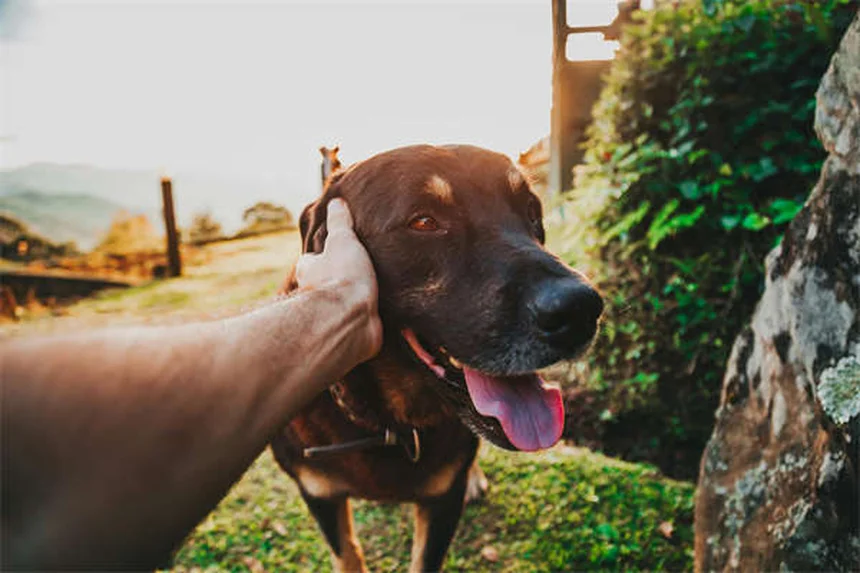 Photos provided by pixabay
1. Intervertebral Disc Disease (IVDD)
Beyond behavior, look for these physical clues: abnormal posture, muscle wasting along the spine, or sensitivity to touch. Hunched backs or stiff movements scream "check my spine!"
Here's a pro tip: run your hands along your dog's back weekly. You'll notice changes in muscle tone or reactions to pressure. Early detection makes treatment easier and more effective - trust me, your vet will appreciate the heads-up!
Treatment Options That Work
Conservative Approaches
Not every back problem needs surgery! Many respond well to rest, medication, and physical therapy. Crate rest might sound cruel, but it's often the best medicine for acute injuries.
Cold laser therapy, acupuncture, and chiropractic care have helped countless dogs in my practice. Remember Max, the Lab I mentioned earlier? Three months of conservative treatment had him back to his ball-chasing self!
When Surgery Becomes Necessary
Some conditions like severe IVDD require surgical intervention. Modern veterinary medicine offers amazing options - from disc removal to spinal stabilization. Success rates continue to improve with advanced techniques.
The key is finding a board-certified veterinary surgeon. Ask about their experience with similar cases, and don't hesitate to get a second opinion. I've coordinated with many specialists and can tell you - the right surgeon makes all the difference!
Keeping That Tail Wagging
Daily Habits for Spinal Health
Prevention beats cure every time! Here's my prescription for a healthy back: maintain ideal weight, provide joint supplements, and keep your dog active. Variety is crucial - mix up walking routes to engage different muscle groups.
Ever tried doggy yoga? It's a thing! Simple stretches and balance exercises can work wonders. My clients who incorporate these see fewer back issues as their dogs age.
Choosing the Right Gear
That cute collar might be stylish, but harnesses distribute pressure better. Look for models with chest support - your dog's neck and back will thank you. For older dogs, orthopedic beds provide crucial spinal support.
Here's a fun fact: I helped design a harness specifically for dogs with back issues. The right equipment can make daily activities more comfortable and prevent further injury. Isn't that worth investing in?
Remember, your dog's back health impacts their entire quality of life. Stay observant, be proactive, and don't hesitate to consult your vet about concerns. Here's to many happy, pain-free years with your four-legged friend!
Beyond the Basics: Understanding Canine Spinal Anatomy
The Marvel of a Dog's Spine
You might think your dog's back is just a simple structure, but it's actually an engineering masterpiece! Did you know dogs have between 49 to 53 vertebrae depending on their tail length? That's way more than our puny human 33!
Let me paint you a picture: each vertebra is like a carefully crafted building block with specialized joints, shock-absorbing discs, and protective arches for the spinal cord. The tail alone contains 6-23 vertebrae - no wonder they can wag with such precision! When you see your pup twist mid-air to catch a frisbee, you're witnessing this incredible spinal flexibility in action.
Breed-Specific Back Differences
Not all dog backs are created equal. Dachshunds have about 7 more vertebrae in their backs compared to other breeds - that's what gives them their signature long look. But here's the kicker: their spinal discs age faster too!
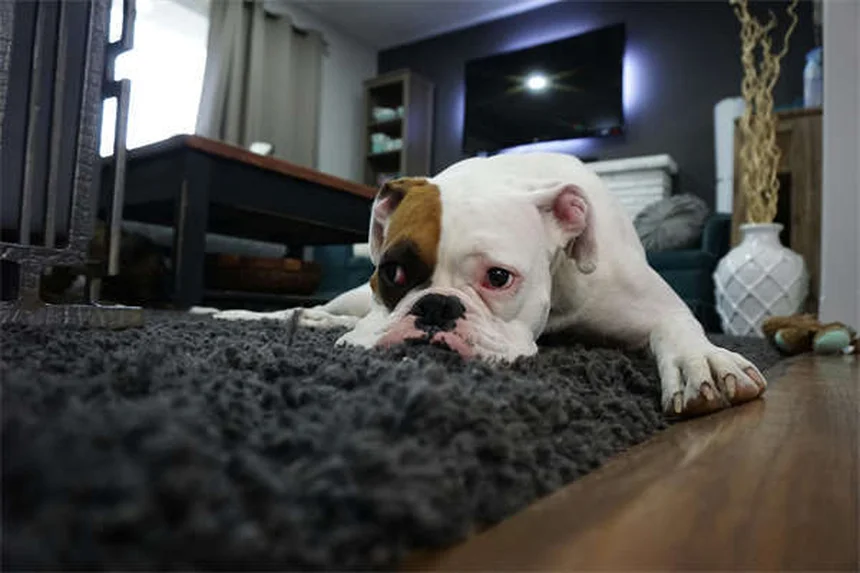
I once treated a Basset Hound whose back was longer than my arm - talk about needing extra support! On the flip side, breeds like Bulldogs have compact spines that make them prone to different issues. Understanding your dog's unique spinal architecture helps you provide better care.
| Breed Type | Spinal Characteristics | Common Issues |
|---|---|---|
| Long-backed (Dachshunds, Bassets) | Extra vertebrae, elongated spine | IVDD, disc degeneration |
| Short-backed (Bulldogs, Pugs) | Compressed vertebrae, less flexibility | Spinal arthritis, fused vertebrae |
| Athletic (Border Collies, Labs) | Highly flexible, strong muscles | Muscle strains, trauma injuries |
The Hidden Dangers We Often Miss
Everyday Activities That Strain Backs
You'd be shocked at how ordinary things can threaten your dog's spinal health. Stairs are public enemy number one for many breeds - each step is like a mini shock to their system. I've measured impact forces and some dogs experience up to 3 times their body weight pressure going downstairs!
Here's something most owners don't consider: those adorable "begging" positions where dogs sit back on their haunches? Terrible for their lumbar spine! And don't get me started on letting dogs jump from high furniture - it's like dropping a bag of potatoes onto concrete from waist height. My rule? If you wouldn't do it to your own back, don't let your dog do it either.
Nutrition's Role in Spinal Health
Ever thought about how your dog's diet affects their back? Proper nutrition builds strong spinal structures from the inside out. Omega-3 fatty acids reduce inflammation in joints, while glucosamine supports disc health.
I worked with a German Shepherd whose chronic back pain improved dramatically after we adjusted his diet. Turns out he wasn't getting enough vitamin E, which is crucial for nerve health. Now I always recommend discussing supplements with your vet - it's cheaper than surgery down the road!
Innovative Therapies Changing the Game
Cutting-Edge Non-Surgical Options
Veterinary medicine isn't just about pills and scalpels anymore! Stem cell therapy is showing incredible promise for degenerative spinal conditions. I've seen dogs regain mobility after just a few treatments.
Underwater treadmills are another game-changer - the buoyancy takes pressure off the spine while strengthening supporting muscles. There's even a clinic in California using virtual reality to help dogs with spinal injuries retrain their brains to walk! Who says dogs can't benefit from technology?
The Future of Canine Back Care
What if I told you scientists are developing 3D-printed spinal implants customized for individual dogs? We're entering an era where paralyzed dogs might walk again thanks to these advancements.
Researchers are also working on gene therapies for inherited spinal conditions. Imagine being able to "turn off" the genes that cause degenerative myelopathy! While these treatments aren't mainstream yet, they give hope for the future of canine spinal health.
Your Dog's Back Through the Years
Puppy Development: Building a Strong Foundation
Those clumsy puppy tumbles aren't just cute - they're actually teaching important spinal coordination! Proper puppy development sets the stage for lifelong back health. But here's what most owners miss: growth plates in the spine don't fully close until 12-18 months.
I can't stress this enough - over-exercising young puppies can cause permanent spinal damage. That jogging habit you're starting with your 6-month-old Lab? Might want to hold off until they're fully grown. Their adorable wiggly bodies aren't ready for marathon training yet!
Senior Dogs: Special Considerations
As dogs age, their spines go through changes just like ours do. Discs lose hydration, muscles weaken, and arthritis often sets in. But guess what? There's so much we can do to help!
Heated orthopedic beds, gentle daily stretching routines, and modified exercise can keep older dogs comfortable. I've got a 14-year-old patient who still enjoys short hikes thanks to a customized care plan. Age doesn't have to mean the end of an active life!
Myth-Busting Common Misconceptions
"My Dog's Fine - He's Just Getting Old"
How many times have I heard this excuse? Slowing down isn't necessarily normal aging - it's often untreated pain! I wish I had a dollar for every owner who thought their dog's stiffness was "just part of getting older."
Here's the truth: while some changes are normal, significant mobility loss always warrants investigation. That "lazy" senior dog might actually be in chronic pain. Early intervention could add quality years to their life - isn't that worth a vet visit?
"Only Certain Breeds Get Back Problems"
While it's true some breeds are more prone, any dog can develop spinal issues. I've treated everything from Yorkies to Great Danes for back problems. Size doesn't guarantee immunity!
Just last month, I diagnosed a normally sturdy Golden Retriever with early disc disease. His owner was shocked because "Goldens don't get back problems." Well, this one did! That's why all dogs need preventive care, regardless of breed.
Creating a Back-Friendly Home
Simple Home Modifications
You don't need to remodel your entire house to protect your dog's spine. Strategic changes can make a world of difference. Non-slip flooring is my number one recommendation - those hardwood floors might look nice, but they're spinal injury waiting to happen!
I helped a client create "rest stations" throughout their home - comfy beds in every room so their aging Boxer didn't have to walk far to rest. Such simple changes can dramatically improve quality of life. Why make your dog work harder than necessary?
Playtime With Spine Safety in Mind
Tug-of-war gets a bad rap, but done correctly, it's actually great for building back muscles! The key is keeping the toy low to avoid neck strain. Interactive games that encourage natural movements are perfect for spinal health.
I'm a huge fan of food puzzles that make dogs move between stations - it's mental and physical exercise rolled into one! My own dogs' favorite is a treasure hunt where they have to "forage" for treats in different positions. Their backs get a workout without risky jumping or twisting.
E.g. :5 Common Back Problems in Dogs | PetMD
FAQs
Q: What are the first signs of back problems in dogs?
A: The first signs are often subtle - your dog might stop jumping on furniture, hesitate before climbing stairs, or yelp when touched in certain spots. I always tell my clients to watch for changes in posture or movement. Does your usually energetic pup suddenly refuse to play? That's a red flag! Dogs instinctively hide pain, so we need to be detectives. Other warning signs include dragging back legs, loss of bladder control, or unusual stiffness when getting up. If you notice any of these, don't wait - schedule a vet visit immediately. Early intervention can prevent permanent damage.
Q: Which dog breeds are most prone to back issues?
A: While any dog can develop back problems, dachshunds, corgis, basset hounds and other long-backed breeds are especially vulnerable to IVDD (intervertebral disc disease). Large breeds like German Shepherds often face degenerative myelopathy, while active dogs like Labradors frequently suffer muscle strains. I've treated enough cases to know genetics play a role, but lifestyle matters just as much. Even mixed breeds can develop spinal arthritis as they age. The key is understanding your dog's specific risks and taking preventive measures early.
Q: How can I prevent back problems in my dog?
A: Prevention comes down to three things: weight management, regular exercise, and proper support. Keep your dog lean - extra pounds strain their spine. Daily walks maintain flexibility, while swimming builds back muscles without impact. I always recommend harnesses over collars to reduce neck strain. For older dogs, orthopedic beds and ramps make a huge difference. My own dogs get joint supplements starting at age 5, and we do simple stretches together. Remember, prevention is way easier (and cheaper) than treatment!
Q: Are there home treatments for mild back pain in dogs?
A: For mild cases, yes - but with caution. Rest is crucial - limit activity for a few days. You can apply warm compresses (not hot!) to sore areas for 10 minutes twice daily. Gentle massage helps too - use slow, circular motions along the spine. Over-the-counter pain meds? Never give human medications without vet approval! Many are toxic to dogs. If symptoms persist beyond 48 hours or worsen, see your vet immediately. I've seen too many well-meaning owners delay proper treatment trying home remedies.
Q: When does a dog's back problem require surgery?
A: Surgery becomes necessary when there's severe nerve compression, paralysis, or structural damage that won't heal on its own. Conditions like advanced IVDD or traumatic fractures often need surgical intervention. The decision depends on diagnostic tests like MRIs. In my experience, dogs with sudden paralysis often need immediate surgery for the best recovery chances. But here's the good news - veterinary neurosurgery has advanced tremendously. Many dogs regain full mobility with proper post-op care and rehabilitation. Always consult a board-certified veterinary surgeon for these complex cases.